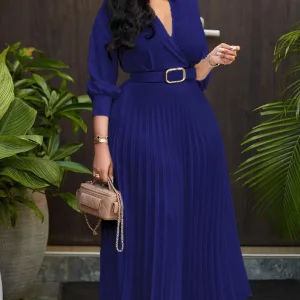
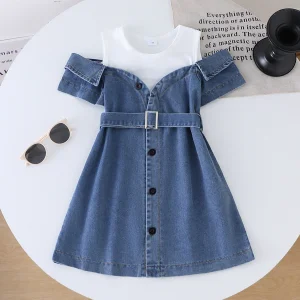
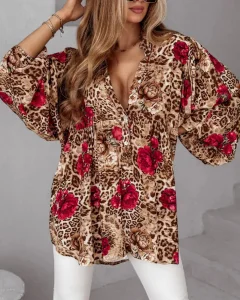
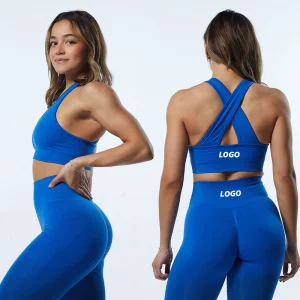
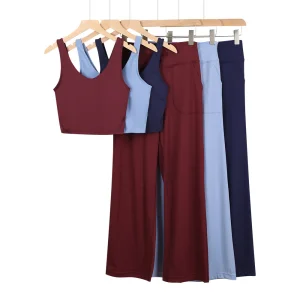
Explore our trending apparel collections, ranging from performance swimsuits to luxury resort fashion.
Analyzing key structural shifts, regulatory updates, and modern consumer preferences driving B2B apparel sourcing.
The global beachwear and swimwear market is undergoing a major structural transformation. Brands and consumers alike are demanding more than simple aesthetics; the market now prioritizes advanced textile performance, comprehensive environmental compliance, and traceable certifications. As European and North American regulators tighten control over imported consumer goods, having a CE certified beachwear supplier has transitioned from a competitive advantage to a non-negotiable entry barrier.
Key technical trends include:
CE marking on beachwear and protective resort apparel confirms compliance with Regulation (EU) 2016/425 (Personal Protective Equipment) for garments offering UV protection. In addition, all materials must pass testing for harmful substances according to REACH (EC 1907/2006) and OEKO-TEX Standard 100, ensuring the final consumer products are completely free of toxic chemical residues, heavy metals, and carcinogenic colorants.
Import compliance is tightening globally. CE certifications, OEKO-TEX credentials, and BSCI-audited factories are essential to mitigate customs risks and safeguard retail reputations.
Sourcing is shifting heavily toward recycled polyesters and regenerated ocean plastics. Brands are prioritizing circular supply chains to appeal to eco-conscious Gen-Z and millennial cohorts.
Fast-fashion cycles demand compressed timelines. B2B buyers now select suppliers who offer rapid digital prototyping (3D CAD rendering) to minimize sample lead times from weeks to days.
Understanding the core operational requirements of enterprise buyers, high-street brands, and digital-first retailers.
B2B buyers, including multinational apparel corporations, wholesale importers, and specialized online storefronts, face complex risk structures in their supply chains. The primary focus of modern purchasing managers is to secure reliable margins while minimizing logistical volatility, chemical safety liabilities, and ethical labor risks.
To achieve this, suppliers must align with three fundamental business pillars:
How Guangzhou Faber Fashion Co., Ltd. integrates technological innovation and flexible manufacturing to serve global clients.
Guangzhou Faber Fashion Co., Ltd. is a professional women’s clothing manufacturer and fashion apparel supplier based in Guangzhou, China. The company specializes in designing, producing, and exporting high-quality women’s garments for global fashion brands, wholesalers, and retailers. With strong OEM and ODM capabilities, Faber Fashion provides full-service solutions from concept development, fabric sourcing, pattern making, sampling, to mass production and global delivery.
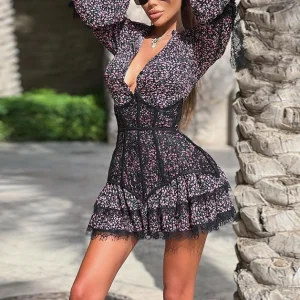
Faber Fashion focuses on a wide range of women’s apparel, including dresses, tops, blouses, skirts, trousers, outerwear, and seasonal fashion collections. The company keeps up with international fashion trends and integrates modern design aesthetics with practical wearability, ensuring each collection meets the demands of different markets such as Europe, North America, and the Middle East.
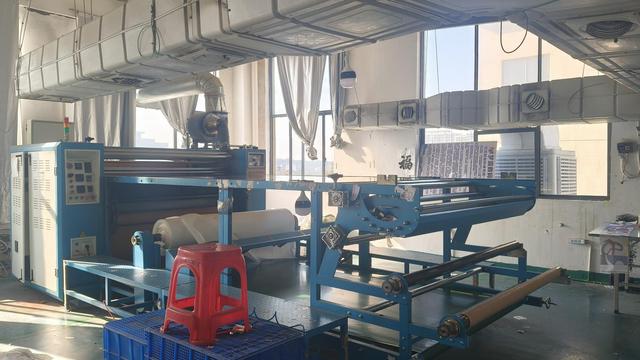
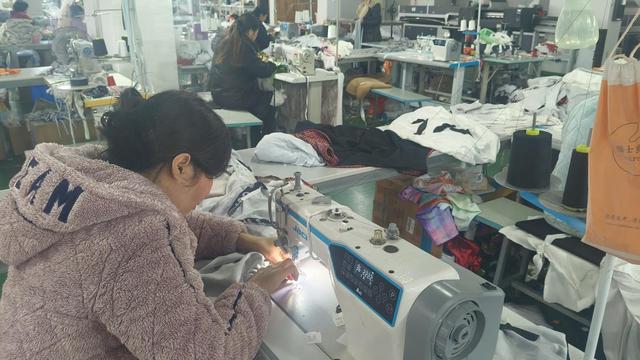
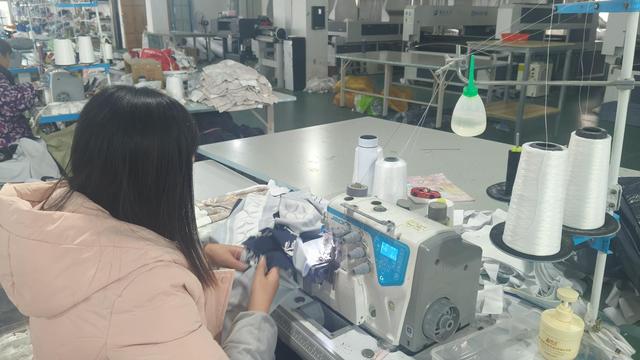
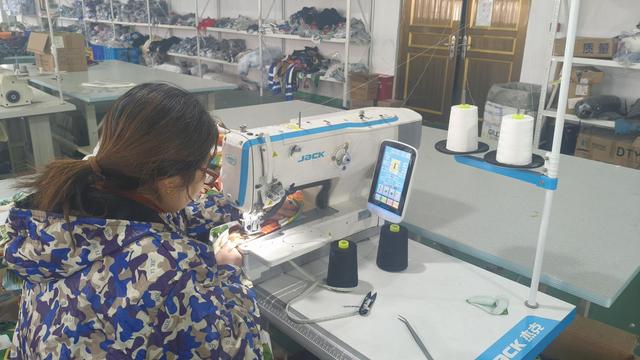
With advanced production facilities and a skilled manufacturing team, Guangzhou Faber Fashion Co., Ltd. maintains strict quality control at every stage of production. From fabric inspection to final garment finishing, every detail is carefully monitored to ensure consistency, durability, and premium craftsmanship. The company is committed to flexible manufacturing services, supporting both small-batch customization and large-scale wholesale production. Its efficient supply chain system enables fast turnaround times while maintaining competitive pricing for global clients.
By combining innovation, quality, and reliability, Faber Fashion has built long-term partnerships with international fashion buyers. The company continues to expand its global presence as a trusted Women’s Clothing Manufacturer and Fashion Apparel OEM & ODM Factory, dedicated to delivering stylish, high-quality, and market-ready apparel solutions worldwide.
Faber Fashion's headquarters in Guangzhou positions it at the heart of the global textile industry. This proximity offers unique geographic and manufacturing advantages:
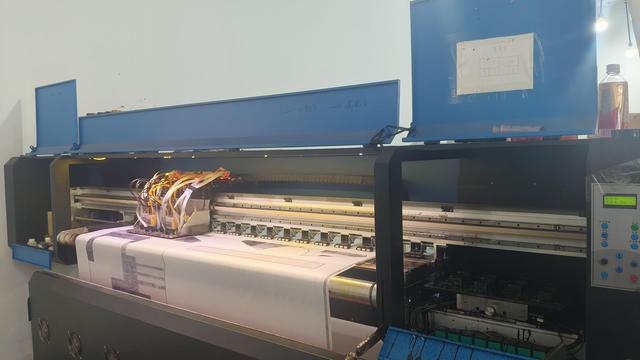
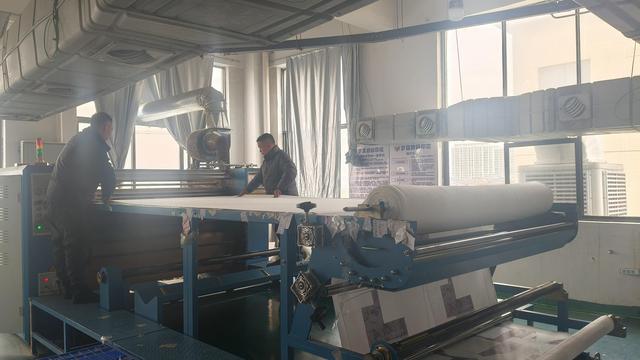
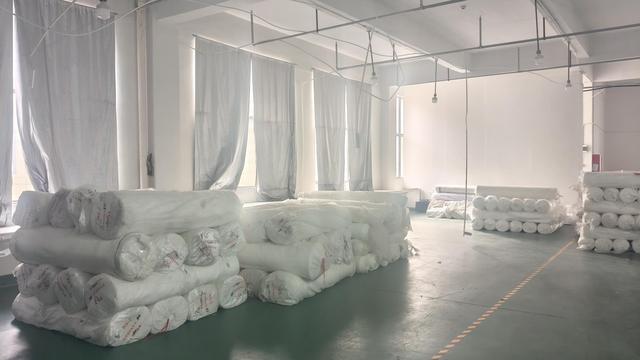
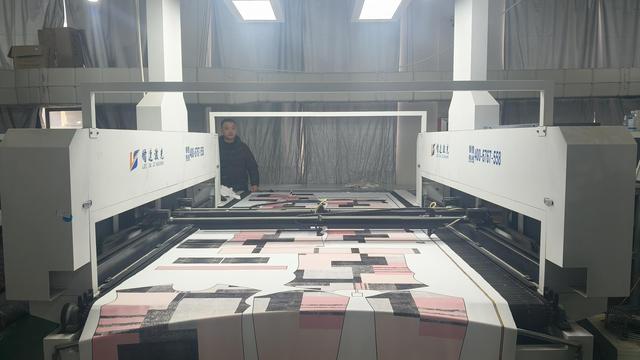
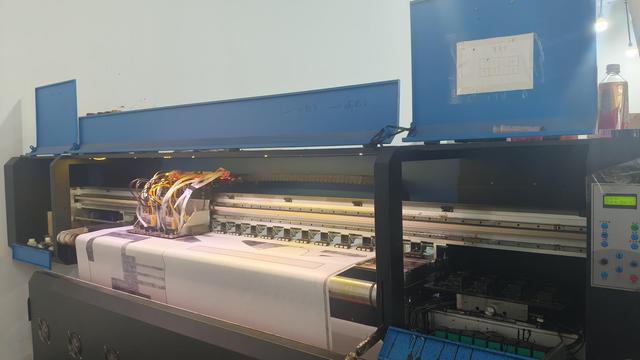
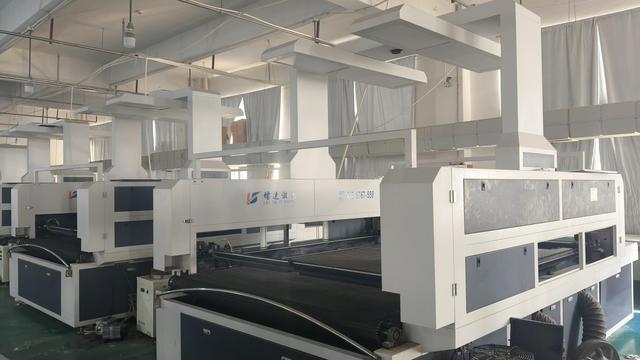
Customizing swimwear and resort apparel solutions for different international jurisdictions and regional consumer tastes.
European procurement demands strict compliance with REACH regulations and high-level CE certification. The design aesthetic is characterized by minimalist structures, muted earth tones, and a preference for recycled polyamide blends.
US and Canadian brands require extensive sizing structures, from XS up to 4XL. Performance qualities like UPF 50+ UV protection, shape retention, and chlorine-resistant elastane are critical for department store channels.
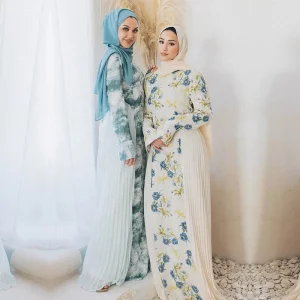
Sourcing for the GCC region requires specialized, high-coverage swimwear (such as Burkini and Abaya resort dress sets) using lightweight, fast-drying fabrics. Embellishments must withstand high temperatures and salinity levels.
Technical answers to support procurement decisions, regulatory compliance, and customized OEM/ODM partnerships.
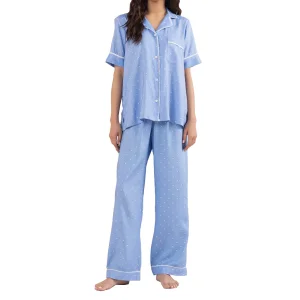
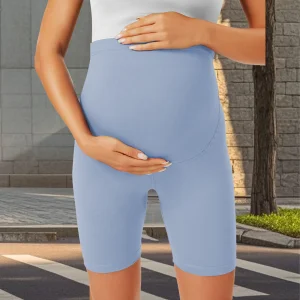
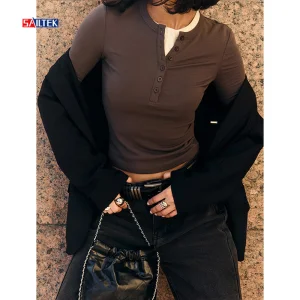
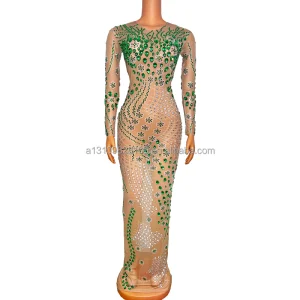
Complete your sourcing portfolio with our selection of specialized beachwear, active sets, and sleepwear.

 Faber Fashion