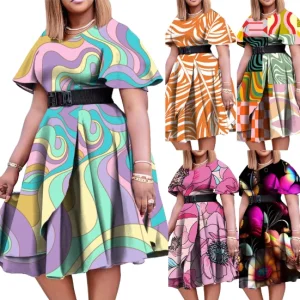
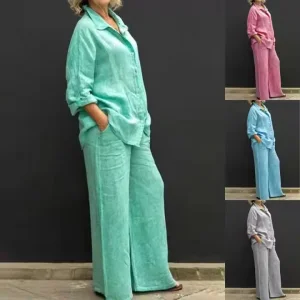
Explore our flagship plus-size models manufactured with industrial-grade precision. These styles balance accurate standard dimensions with modern Korean streetwear patterns, optimized for diverse international market demands.
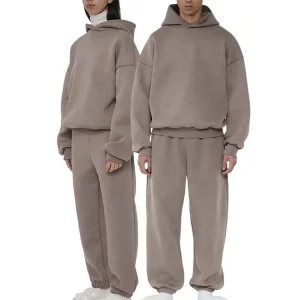
The garment manufacturing network of Seoul, South Korea represents a sophisticated convergence of rapid prototyping, hyper-localized supply chains, and high-precision pattern engineering. Historically anchored in historic garment hubs like the Dongdaemun Fashion Town (which comprises over 30,000 design studios, wholesale storefronts, and specialized CMT ateliers), Seoul’s manufacturing ecosystem has evolved to meet the complex grading demands of the global plus-size apparel market.
Unlike massive textile complexes designed for low-cost basic garments, Seoul’s factories operate on a Quick Response (QR) production model. This structural configuration permits small-to-medium batch sizes (Low MOQ) with incredibly fast turnaround periods. In the plus-size apparel sector, where proportions must be meticulously adjusted rather than linearly scaled, Seoul's local pattern makers deploy advanced digital solutions to resolve common fit anomalies like shoulder droop, bust pulling, and poor drape in larger garments.
By pairing local technical hubs with adjacent international fabric markets, Seoul factories can source raw components—including high-recovery elastic textiles, bio-washed cotton, and eco-certified modal—within hours. This fast-track framework minimizes raw material transit latency, allowing global apparel brands to capitalize on fast-moving runway trends without holding bloated finished-goods inventories.
The global plus-size fashion sector is projected to cross $280 billion by the end of 2026, registering a CAGR of over 5.8%. Driven by consumer advocacy for size inclusivity, body positivity, and demand for contemporary apparel designs, the industry is transitioning away from loose-fitting shapeless garments. Today’s consumers demand tailoring that accentuates their forms, demanding technical design excellence from manufacturers.
However, many factory networks fail to execute high-quality plus-size products. Standard sizing grading rules simply scale up measurements at linear increments, causing armholes to become excessively wide, necklines to gap, and waistlines to drop too low on plus-size silhouettes. Modern apparel factories in Seoul use non-linear digital grading algorithms to adjust specific structural areas such as the back width, bust depth, and armhole circumference independently.
In standard grading models, a size XL pattern is scaled up by a standard percentage to create 3XL. This ignores anatomical realities, resulting in disproportionate torso lengths and overly wide necklines. Seoul factories utilize 3D virtual avatars mapped to regional consumer measurement databases (such as ASTM D5585 for North America or standard EU body charts), ensuring that shoulder slope angles and sleeve lengths remain stable, while fabric allowance is added strategically at the bust, waist, and hip nodes.
This attention to detail ensures that garments fit securely and drape cleanly. In addition to improving consumer satisfaction, this precision lowers high returns-rate figures, which have plagued online direct-to-consumer (DTC) fashion retailers since the emergence of e-commerce platforms.
Guangzhou Faber Fashion Co., Ltd. provides a unique strategic advantage by bridging two of East Asia's premier manufacturing nodes. By combining Guangzhou’s vast supply chains, massive raw material libraries, and cost-efficient production centers with the pattern precision, design sensibilities, and high-tech infrastructure of partner systems in Seoul, Faber Fashion provides a highly resilient, comprehensive OEM/ODM supply chain solution.
Our integrated manufacturing pipeline runs seamlessly from fabric sourcing and custom pattern creation to finished-goods logistics:
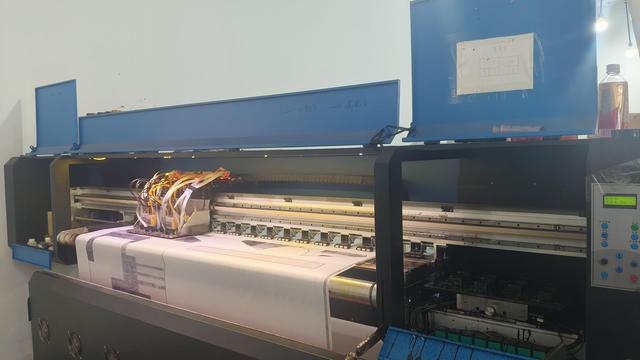
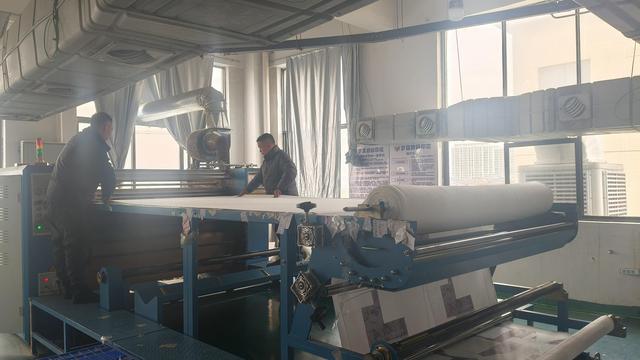
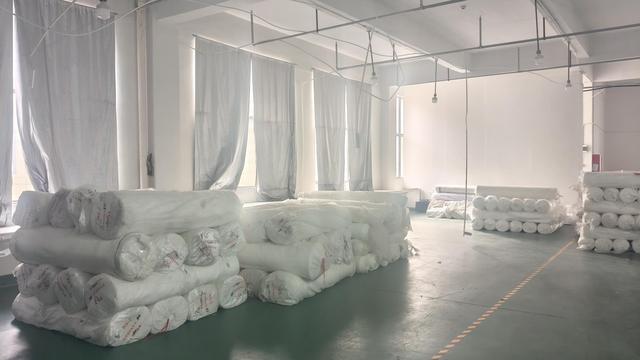
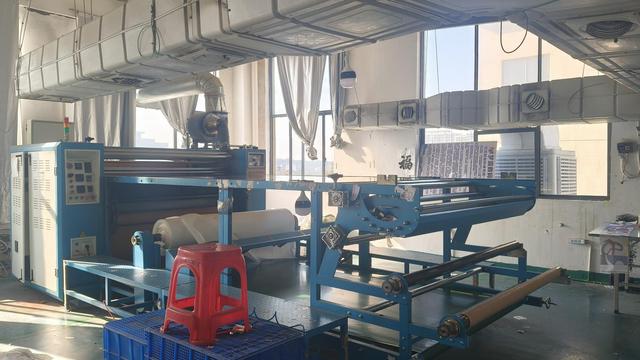
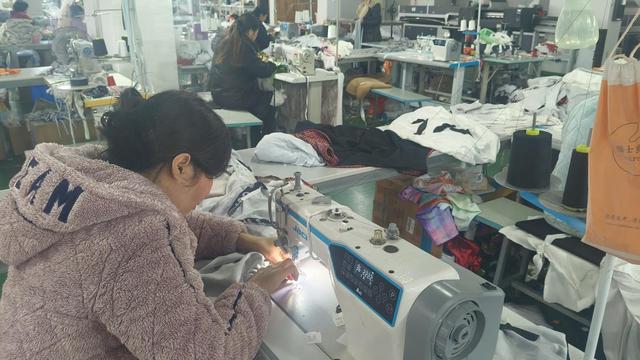
Faber Fashion targets specific market challenges in inclusive fashion. From fabric analysis (to prevent excessive shrinkage in heavy-cotton blends) to specialized reinforcements (like double-stitched flatlock seams on athletic bottoms and high-density inner linings on underwire support systems), we ensure every run of apparel meets strict quality requirements.
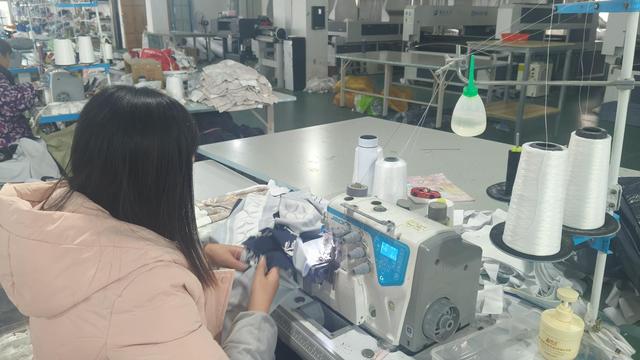
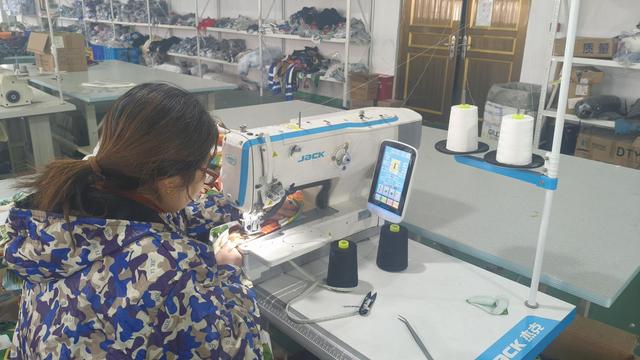
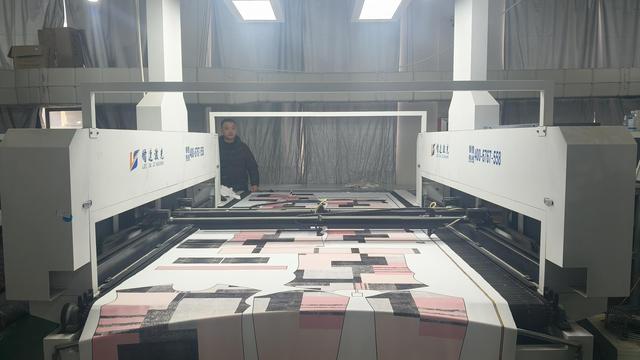
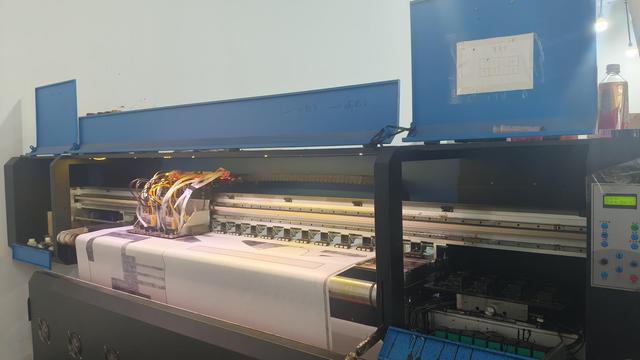
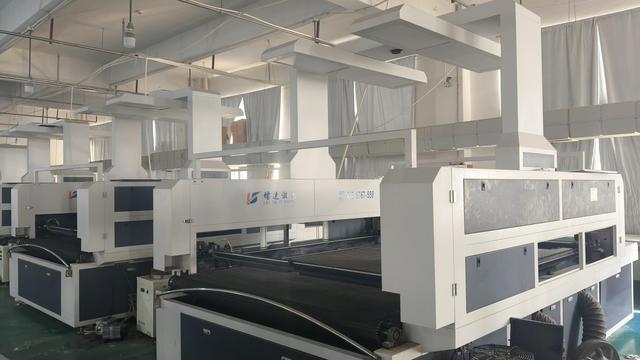
Our dual-location configuration allows brands to utilize premium Seoul designs for high-end capsules, while scaling mass volume production via our cost-efficient Guangzhou facilities—guaranteeing consistent product performance across all lines.
The integration of advanced software has redefined how modern plus-size factories in Seoul handle material cutting and sample approval. By transitioning to virtual platforms, we have cut sample approval lead times from 21 days down to just 3-5 working days.
This commitment to technology reduces material scrap rate by 14% on average and guarantees that bulk production runs remain identical to approved counter-samples.
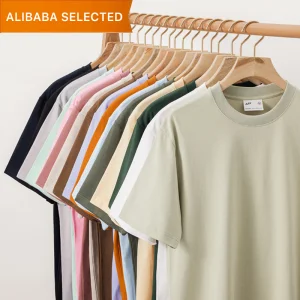
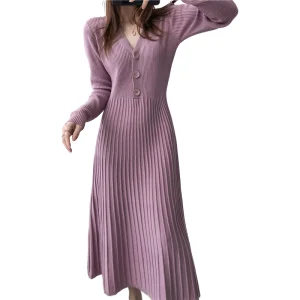
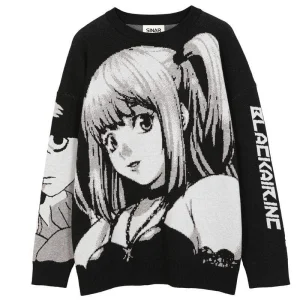
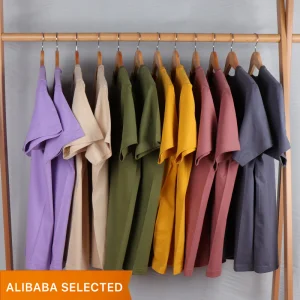
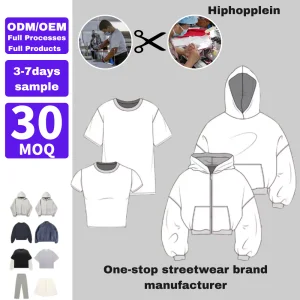
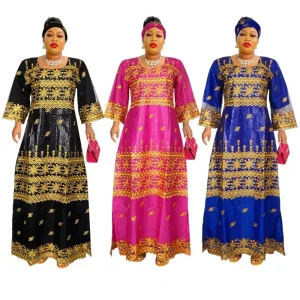
Review our extended plus-size catalog, ranging from casual street knits and office-wear dresses to high-support intimates and heavyweight winter jackets. All items are fully customizable for label-branding, custom coloring, and adjusted dimensions.
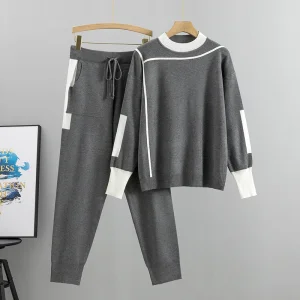
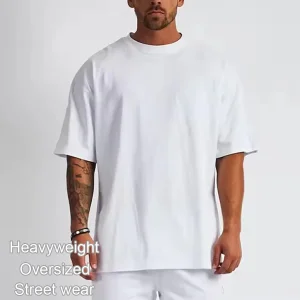
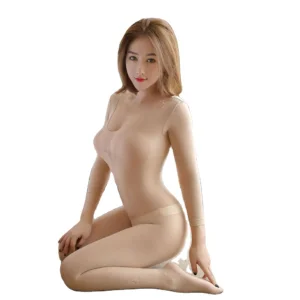
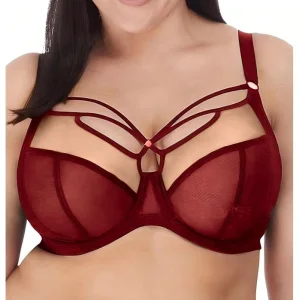
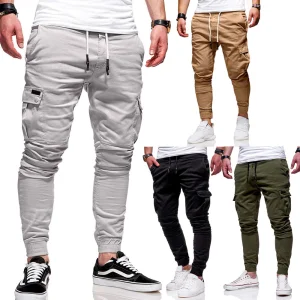

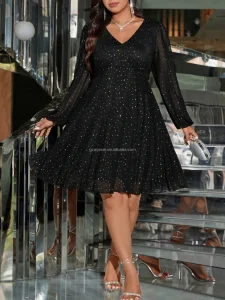
For plus-size garments, raw material properties directly impact fit retention and wearing comfort. Standard lightweight materials often lose shape under tension, leading to saggy knees, stretched seams, and distortion. Faber Fashion’s Seoul sourcing network specifies textiles based on strict structural criteria:
Through close alignment between material research and fit engineering, we design clothing that maintains its shape and structure throughout its lifecycle.
 Faber Fashion