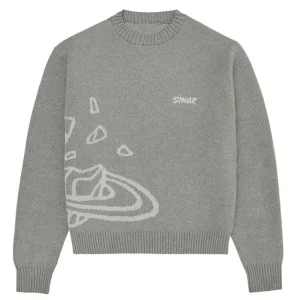
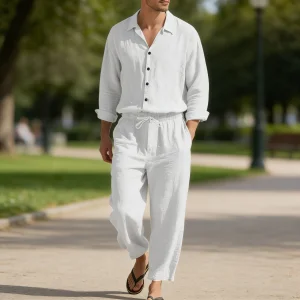
Explore our trending, highly-demanded casual wear items engineered for international buyers and optimized for the regional hubs.
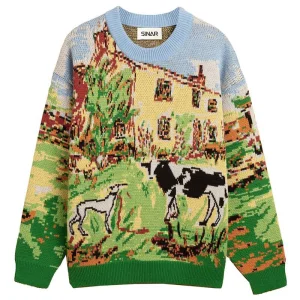
In recent years, the garment manufacturing industry in Northern Vietnam, centered around Hanoi and neighboring provinces such as Bac Giang, Nam Dinh, and Hai Duong, has experienced rapid growth. This expansion is driven by trade benefits, infrastructure development, and a competitive labor market. Under international agreements like the EVFTA (EU-Vietnam Free Trade Agreement) and CPTPP, Hanoi has become a key sourcing destination for international brands looking to diversify their manufacturing footprint outside of traditional bases.
However, modern casual wear sourcing involves more than finding low-cost sewing factories. The supply chain requires speed, adaptability, and access to premium fabrics. This is where the structural layout of Hanoi's local manufacturing confronts both advantages and challenges. While Hanoi offers competitive cut-make-trim (CMT) labor costs and direct shipping routes via Haiphong Port, local factories often face upstream constraints. The region has limited domestic raw fabric production and specialized chemical treatment facilities, which are essential for vintage washes, custom dyeing, and technical knits.
"The successful casual wear brands of today rely on hybrid supply chain strategies. Integrating China's specialized fabric development and raw material access with Vietnam's cost-efficient assembly networks provides a strategic advantage for global sourcing."
Guangzhou Faber Fashion Co., Ltd., based in Guangzhou, China, operates at the center of this dual-hub model. As an established clothing manufacturer and apparel supplier, we assist global fashion brands, wholesalers, and retailers in navigating the Hanoi sourcing landscape by bridging the gap in raw material procurement and design development.
Our operational model leverages the strengths of both regions. In Guangzhou, we handle fabric sourcing at scale, custom print engineering, advanced pattern making, and initial prototyping. For bulk manufacturing destined for tariff-sensitive markets like Europe and North America, we coordinate with reliable manufacturing networks and partners in the Hanoi industrial zones. This dual-hub approach helps resolve the fabric bottleneck often experienced by local Hanoi factories, offering clients stable pricing, certified compliance, and rapid turnaround times.
We combine Guangzhou's fabric selection and prototyping capabilities with Vietnam's bulk assembly strengths to streamline the development process.
Our production facilities meet international standards, including WRAP, BSCI, and OEKO-TEX, fulfilling global brand requirements.
By utilizing overland transport lanes from Southern China to Northern Vietnam, we maintain supply chain continuity and reduce transit times.
The casual wear market is transitioning from basic items toward higher-quality, heavyweight streetwear, washed items, and functional casual knits. Modern buyers expect factories to deliver specialized product lines that balance comfort, durability, and aesthetics. The major market trends driving development in the Hanoi and Guangzhou manufacturing corridors include:
Guangzhou Faber Fashion Co., Ltd. addresses the challenges of limited local fabric choices in Vietnam. We supply high-quality, pre-certified fabrics directly to our partners in the Hanoi industrial zones. This allows global clients to utilize Vietnam’s preferential tariff structures while accessing a wider range of materials, including specialty yarn-dyed stripes, jacquards, fleece, and functional synthetics. This approach maintains product quality and minimizes the risk of production delays.
Years Supply Chain Experience
Monthly Production Capacity (pcs)
On-Time Delivery Rate
Quality Checked Shipments
From advanced fabric sourcing and sample development to high-speed sewing lines and rigorous quality inspections, discover our end-to-end capabilities.
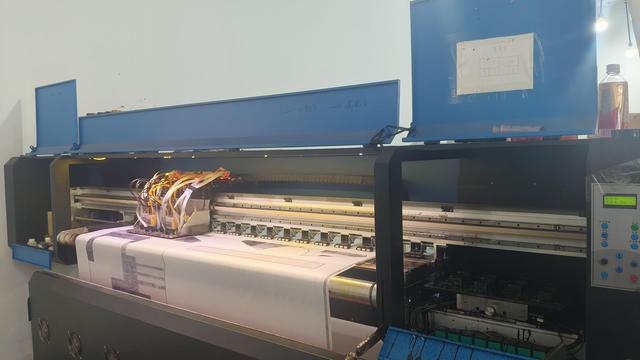
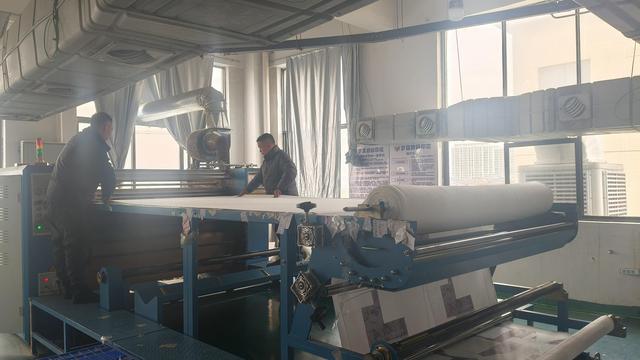
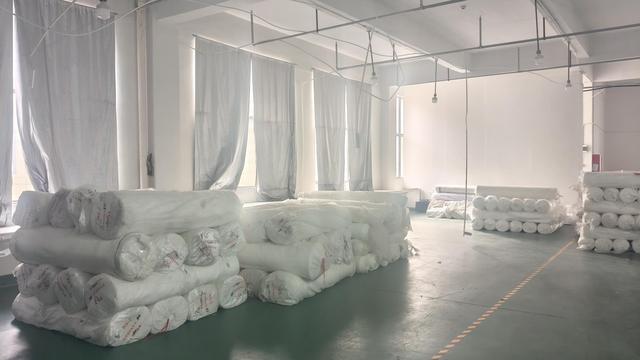
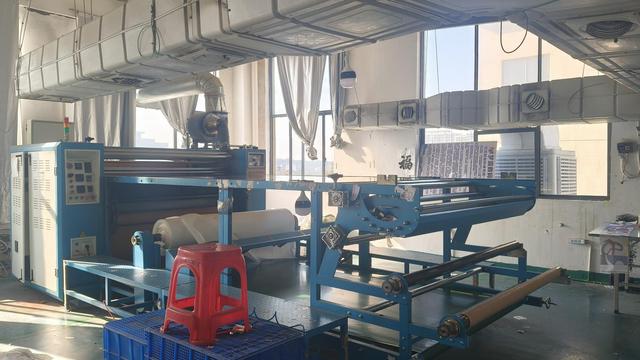
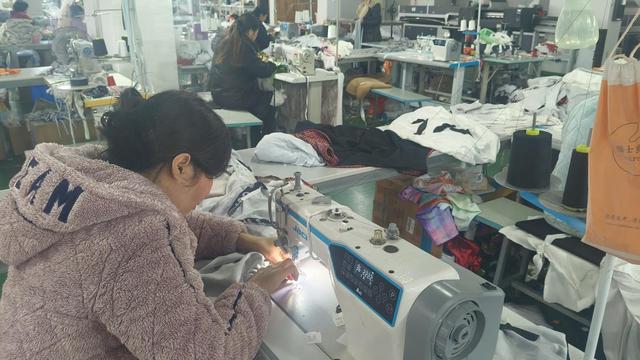
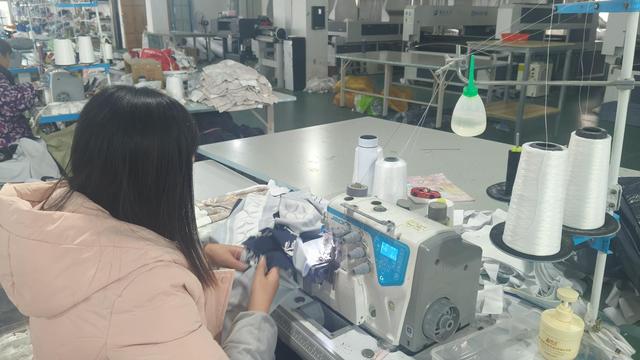
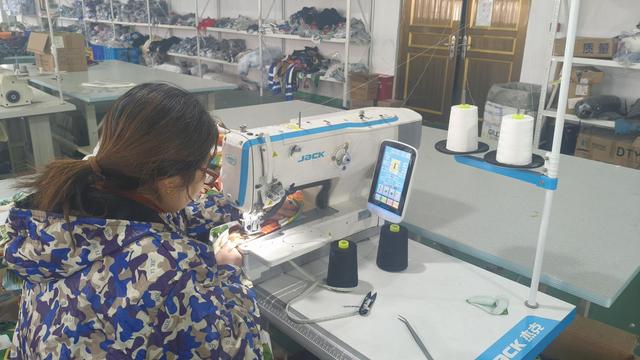
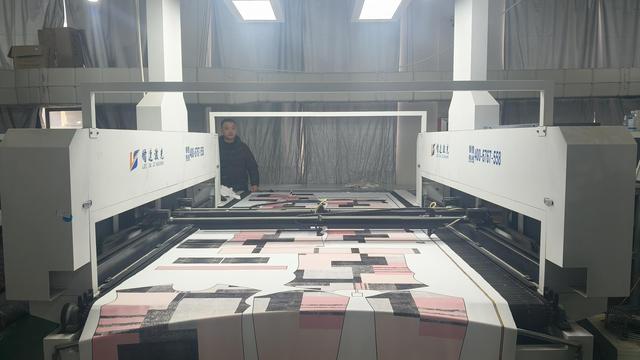
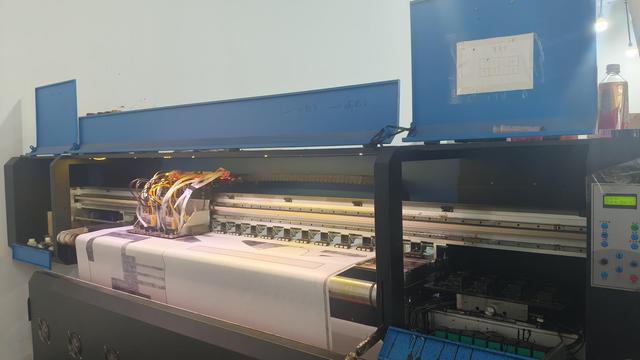
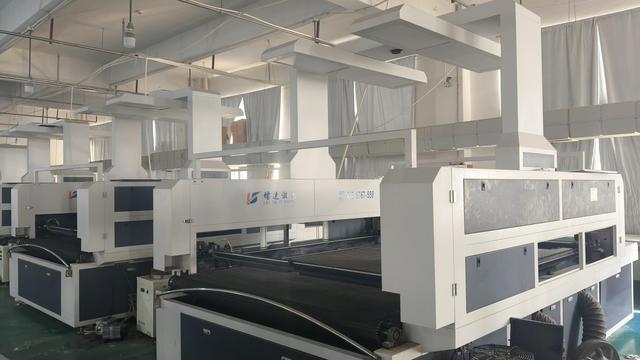
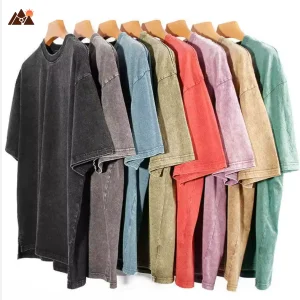
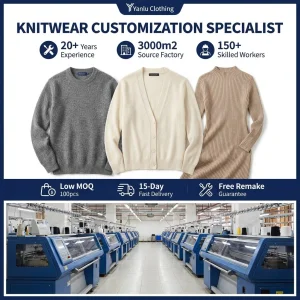
Our facilities are equipped to handle diverse requirements, ranging from low-MOQ premium boutique orders to high-volume retail shipments. Guangzhou Faber Fashion Co., Ltd. supports fashion brands through a structured, multi-stage QA system. Every garment—whether a heavy washed cotton T-shirt or a jacquard knit winter pullover—undergoes inspection from fabric entry to final packaging. Our integration of computer-aided design (CAD) systems for pattern optimization reduces fabric waste and ensures sizing consistency across production runs.
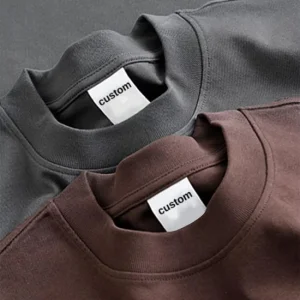
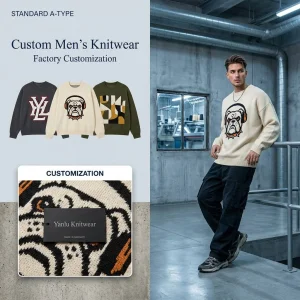
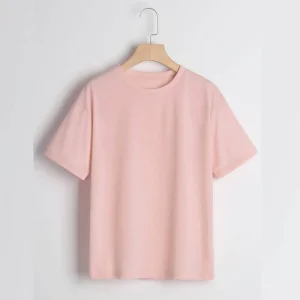
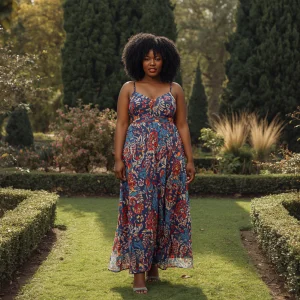
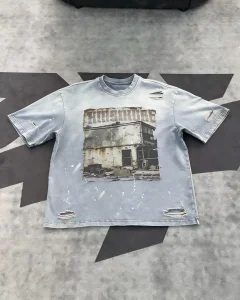
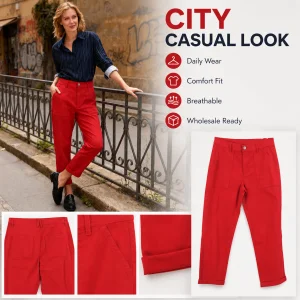
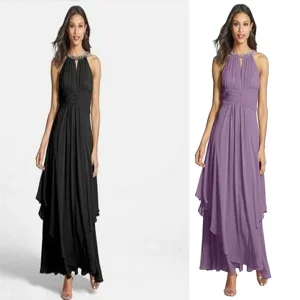
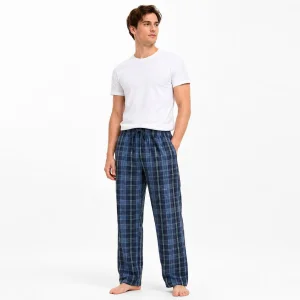
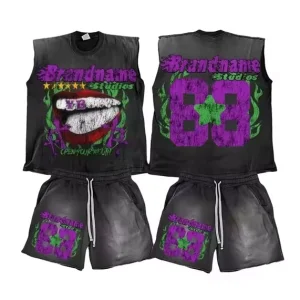
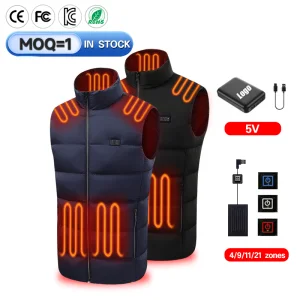
Select from our core product range, featuring vintage tees, graphic sweaters, casual trousers, and seasonal outerwear options.
Get professional insights on logistics, trade policies, custom capabilities, and supply chain solutions.
Connect with our supply chain team to discuss your production needs, fabric options, and dual-hub logistics solutions.
Send Inquiry Now Faber Fashion