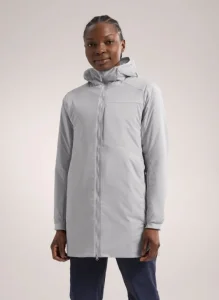
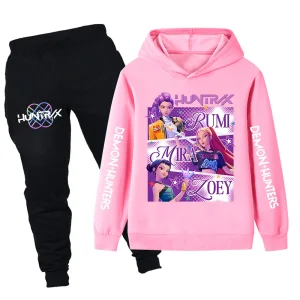
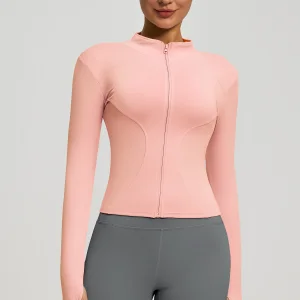
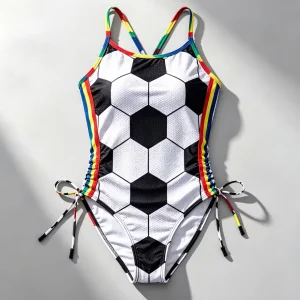
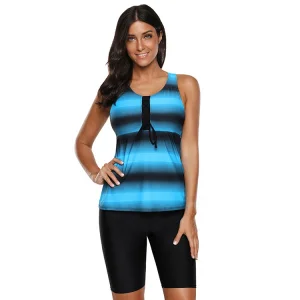
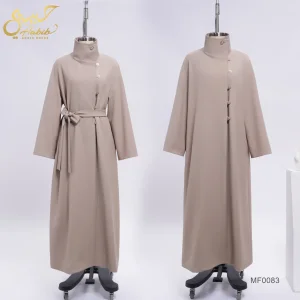
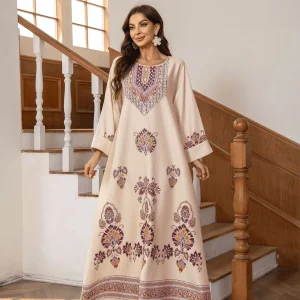
Explore our premium catalog designed to capture high-street and heritage fashion demographics globally.
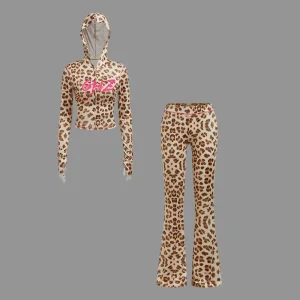
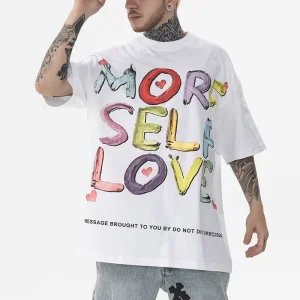
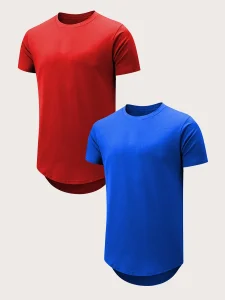
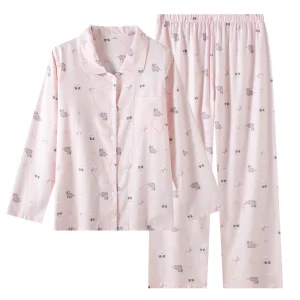
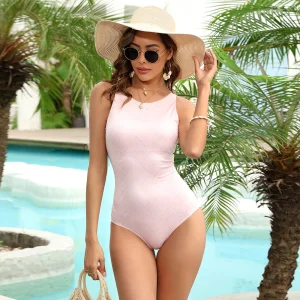
The contemporary apparel ecosystem is experiencing an unprecedented structural shift. Modern consumers are rapidly transitioning away from fleeting fast-fashion cycles toward garments that offer historic aesthetics, distinct textures, and robust material durability. This movement, broadly categorized as vintage-inspired fashion, encompasses archival silhouettes ranging from 1970s bohemian layering to the highly structured denim, distressed washes, and oversized fits of the Y2K era.
For global buyers, this shift represents a profound supply chain challenge. Authentic vintage clothing is naturally finite. Consequently, the commercial opportunity lies in high-volume, modern reproduction of "new vintage" apparel. This process demands specialized manufacturing capabilities: modern factories must recreate precise period aesthetics (such as specialized garment washes, stonewashing, enzymatic distressing, and custom embroidery) while strictly adhering to contemporary standards of size consistency, fabric safety, and chemical regulations.
When procurement managers, designers, and supply chain directors search for the top vintage fashion manufacturers, their evaluation criteria extend far beyond price per unit. The modern procurement lifecycle centers on three core pillars:
Guangzhou remains the absolute epicenter of the global fashion supply chain. As China transitions into the Industry 4.0 paradigm, local manufacturers are integrating advanced tech directly into the garment production cycle. This is not merely about cheap labor; it is about absolute efficiency and precision.
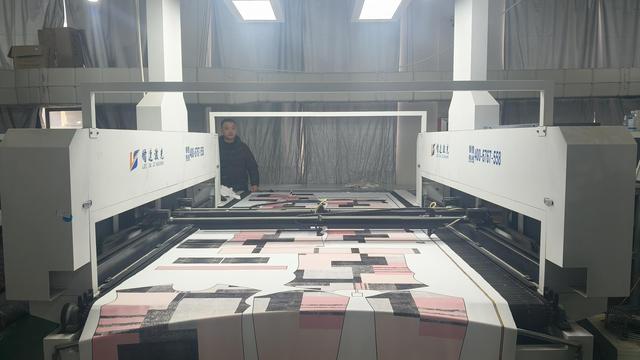
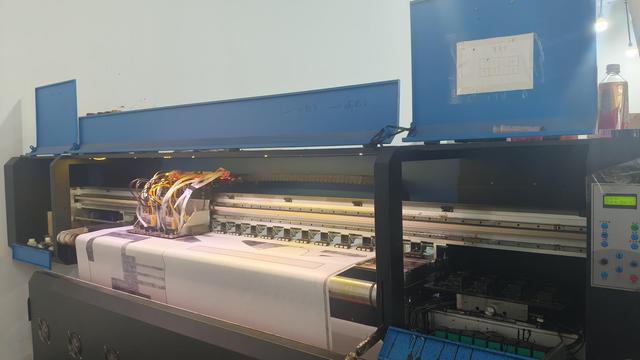
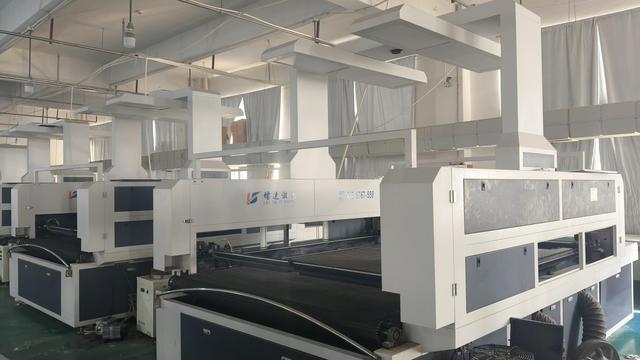
By employing digital twin technologies, automated fabric cutters, and computer-aided design (CAD) pattern software, factories in Guangzhou reduce pattern prototyping times from weeks to hours. Furthermore, proximity to the world’s largest textile raw material markets enables manufacturers to source high-grade bamboo cotton, heavy fleece, organic denims, and specialized synthetic blends instantly. This localized integration cushions global buyers from geopolitical supply shocks and drastically reduces logistics lead times.
Guangzhou Faber Fashion Co., Ltd. is a professional women’s clothing manufacturer and fashion apparel supplier based in Guangzhou, China. The company specializes in designing, producing, and exporting high-quality women’s garments for global fashion brands, wholesalers, and retailers. With strong OEM and ODM capabilities, Faber Fashion provides full-service solutions from concept development, fabric sourcing, pattern making, sampling, to mass production and global delivery.
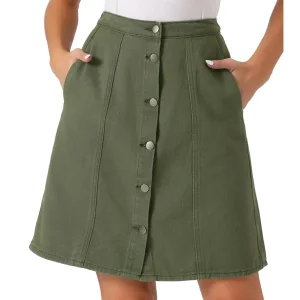
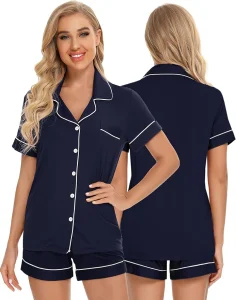
Faber Fashion focuses on a wide range of women’s apparel, including dresses, tops, blouses, skirts, trousers, outerwear, and seasonal fashion collections. The company keeps up with international fashion trends and integrates modern design aesthetics with practical wearability, ensuring each collection meets the demands of different markets such as Europe, North America, and the Middle East.
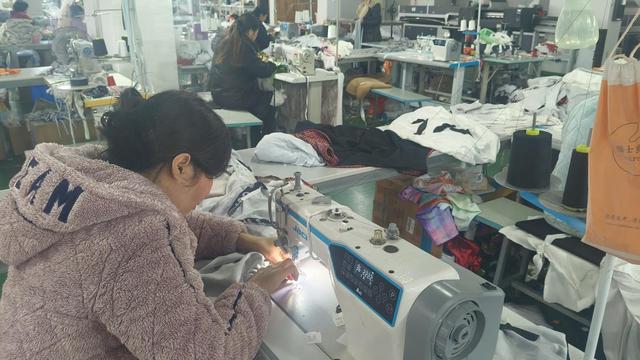
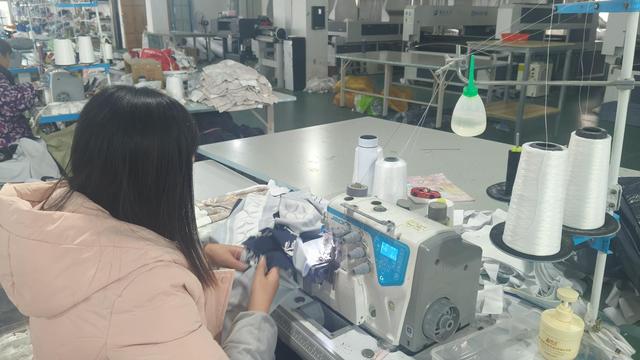
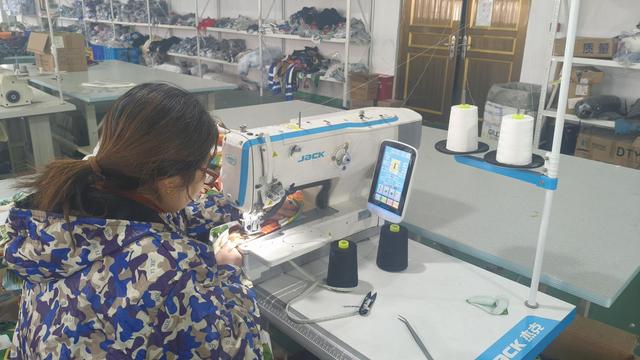
With advanced production facilities and a skilled manufacturing team, Guangzhou Faber Fashion Co., Ltd. maintains strict quality control at every stage of production. From fabric inspection to final garment finishing, every detail is carefully monitored to ensure consistency, durability, and premium craftsmanship.
The company is committed to flexible manufacturing services, supporting both small-batch customization and large-scale wholesale production. Its efficient supply chain system enables fast turnaround times while maintaining competitive pricing for global clients.
By combining innovation, quality, and reliability, Faber Fashion has built long-term partnerships with international fashion buyers. The company continues to expand its global presence as a trusted Women’s Clothing Manufacturer and Fashion Apparel OEM & ODM Factory, dedicated to delivering stylish, high-quality, and market-ready apparel solutions worldwide.
Successfully exporting apparel requires deep market insight and localized adaptation. Consumer expectations diverge significantly depending on regional dynamics:
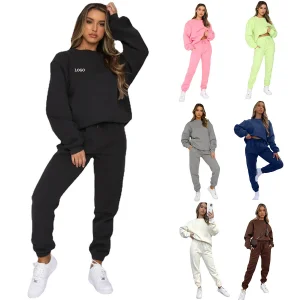
Discover premium sportswear, outerwear, and activewear options engineered for global B2B procurement pipelines.
 Faber Fashion