The contemporary global market demand for footwear and fashion manufacturing has entered a highly complex era. International brands, high-growth startups, and multi-channel retailers no longer search simply for cheap manual labor. Instead, they require vertically integrated partners capable of navigating advanced material sciences, complex international compliance policies, and aggressive lead times. In the footwear sector, structural dynamics have shifted towards a synthesis of technology, ergonomics, and sustainable design practices.
Strategic Market Intelligence: Global consumer demand for active footwear, customized orthopedic designs, lifestyle sneakers, and premium luxury footwear is growing at a compound annual rate (CAGR) of 5.8%. B2B procurement officers are shifting their sourcing criteria towards factories that demonstrate integrated OEM/ODM capabilities, transparent chemical usage, and agile cross-border logistics.
As a leading center of production, the Guangzhou textile and shoe-manufacturing cluster offers unparalleled industrial integration. Through the optimization of global sourcing processes, manufacturers like Guangzhou Faber Fashion Co., Ltd. leverage their profound supply chain agility in women's apparel to establish coordinated pipelines. This unified manufacturing strategy ensures that footwear and apparel developments synchronize in design aesthetics, raw material sourcing, and quality assurance protocols, providing global fashion buyers with a seamless one-stop product portfolio execution.
Overcoming material bottlenecks through a local network of eco-certified tanneries, high-performance polymer suppliers, and woven knit mills in southern China. Our supply chain is structured to mitigate raw material price volatility.
Implementing CAD/CAM cutting systems and computerized sole-molding techniques. The transition from physical last carving to 3D modeling reduces design revision periods from weeks to mere hours.
Adhering to strict international standards of labor safety, environmental management, and non-toxic materials. Full transparency in chemical formulations (REACH, RoHS, and OEKO-TEX certification compatibility).
Sourcing footwear on an OEM (Original Equipment Manufacturer) or ODM (Original Design Manufacturer) basis requires deep technical insight into the lifecycle of footwear production. Unlike generic apparel, footwear demands complex structural engineering. The sole, mid-sole, upper, and counter must not only exhibit aesthetic appeal but also offer structural stability, kinetic support, and optimal slip resistance.
At the center of shoe manufacturing lies the choice of polymers and composites. For outsoles, we utilize Thermoplastic Polyurethane (TPU), Ethylene-Vinyl Acetate (EVA), and natural vulcanized rubbers. In our ODM operations, high-durability foams are injection-molded to create responsive midsoles that optimize kinetic return. Uppers are engineered with high-tensile mesh fabrics, premium synthetic microfibers, or ethically sourced natural leathers, depending on market placement and regional environmental regulations.
The shoe "last" (the physical mold replicating the anatomy of the foot) dictates the fit and sizing accuracy of the shoe. Standardized sizing databases across the US, UK, and European markets are programmed into 3D CAD/CAM software to design custom molds. Steel and aluminum injection tooling are then created via high-precision CNC milling. This step is critical: a 0.5mm variance can render a high-production batch defective.
The interface between the upper material and the sole assembly requires specialized adhesive polymers. Our manufacturing lines implement eco-friendly, water-based polyurethane adhesives, replacing traditional solvent-based chemical primers. Utilizing automatic thermal drying tunnels and pressurized hydraulic press units, the outsoles are chemically bonded to ensure shear stress resistance, meeting the most rigorous durability tests in active-wear categories.
Production Qualification Rate
Global Importing Countries Supported
Rapid CAD/CAM Prototyping Cycle
Harmful Chemical Discharges (BSCI Standards)
Analysis of product intent, conversion of sketches to 3D CAD files, and digital material mapping.
Milling of physical lasts, raw assembly of the upper, and initial thermal bonding to inspect fit geometry.
CNC manufacturing of multiple size molds, setting up precise injection parameters for the outsoles.
Executing a controlled pilot batch, subjecting the shoes to tensile, flexure, and environmental weathering tests.
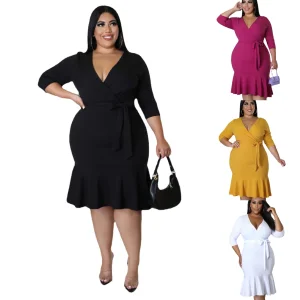
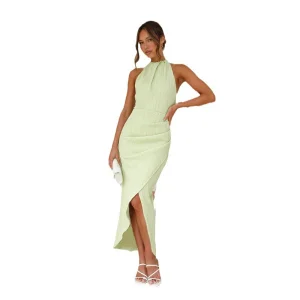
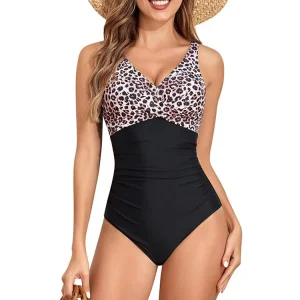
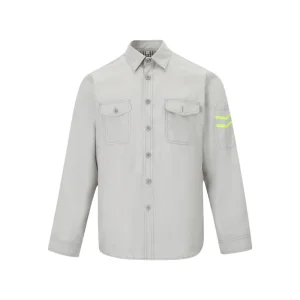
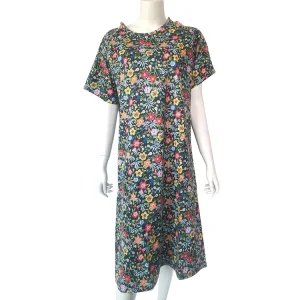
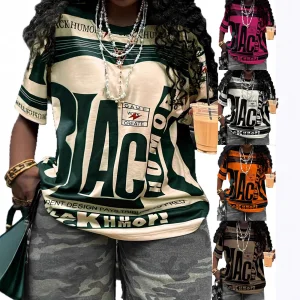
Guangzhou Faber Fashion Co., Ltd. is a professional women’s clothing manufacturer and fashion apparel supplier based in Guangzhou, China. The company specializes in designing, producing, and exporting high-quality women’s garments for global fashion brands, wholesalers, and retailers. With strong OEM and ODM capabilities, Faber Fashion provides full-service solutions from concept development, fabric sourcing, pattern making, sampling, to mass production and global delivery.
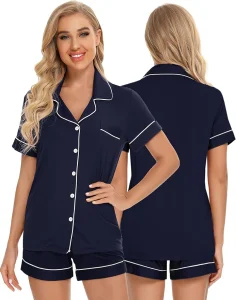
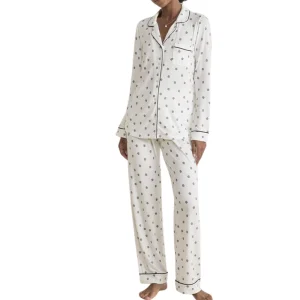
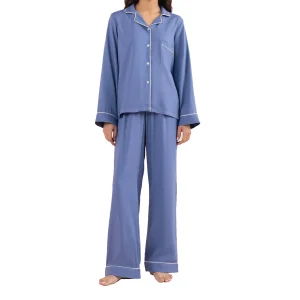
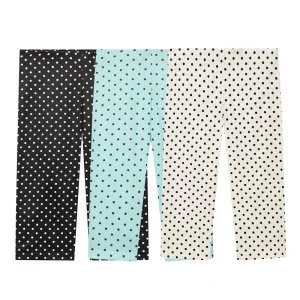
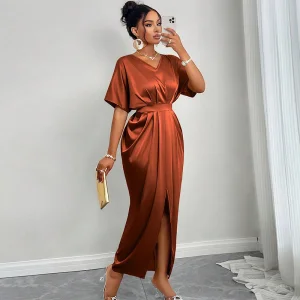
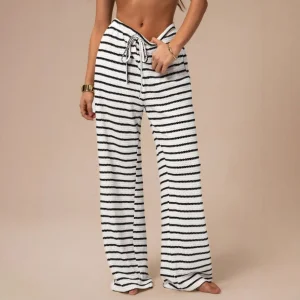
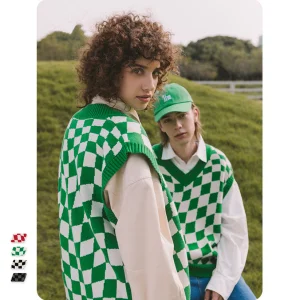
Faber Fashion focuses on a wide range of women’s apparel, including dresses, tops, blouses, skirts, trousers, outerwear, and seasonal fashion collections. The company keeps up with international fashion trends and integrates modern design aesthetics with practical wearability, ensuring each collection meets the demands of different markets such as Europe, North America, and the Middle East.
With advanced production facilities and a skilled manufacturing team, Guangzhou Faber Fashion Co., Ltd. maintains strict quality control at every stage of production. From fabric inspection to final garment finishing, every detail is carefully monitored to ensure consistency, durability, and premium craftsmanship.
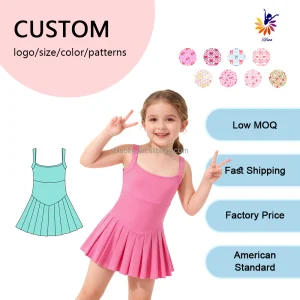
The company is committed to flexible manufacturing services, supporting both small-batch customization and large-scale wholesale production. Its efficient supply chain system enables fast turnaround times while maintaining competitive pricing for global clients.
By combining innovation, quality, and reliability, Faber Fashion has built long-term partnerships with international fashion buyers. The company continues to expand its global presence as a trusted Women’s Clothing Manufacturer and Fashion Apparel OEM & ODM Factory, dedicated to delivering stylish, high-quality, and market-ready apparel solutions worldwide.
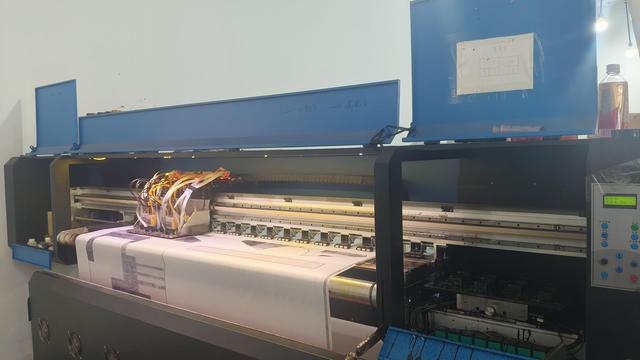
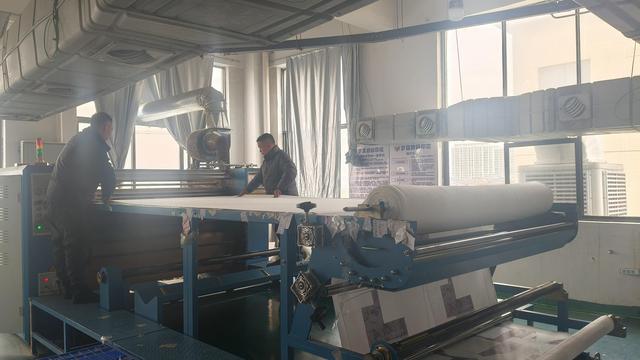
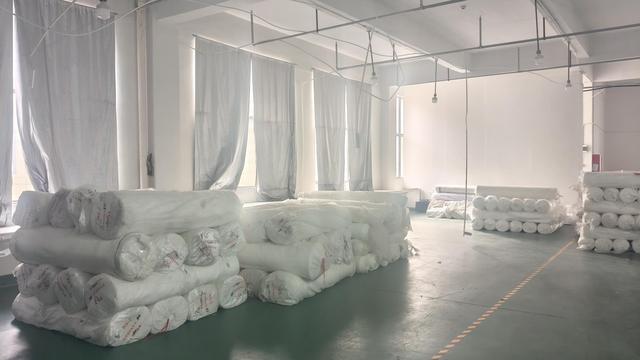
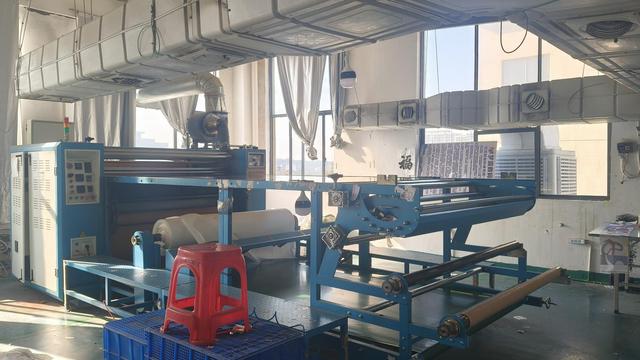
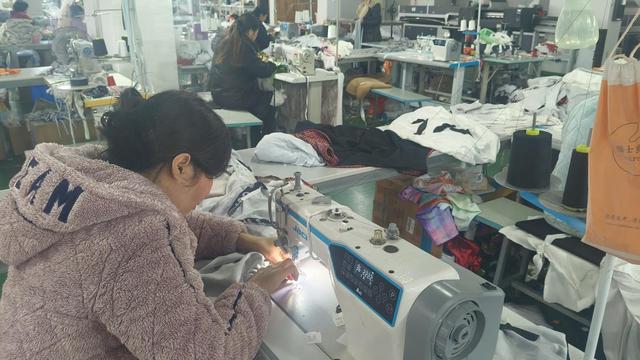
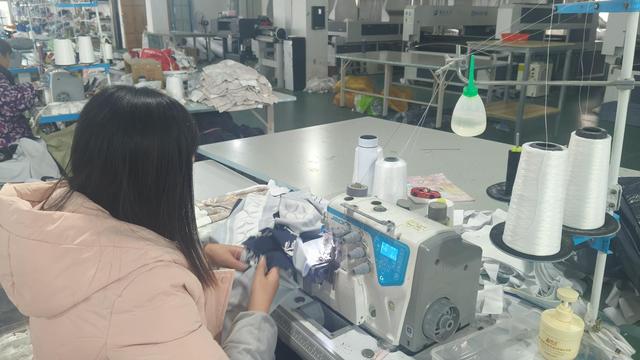
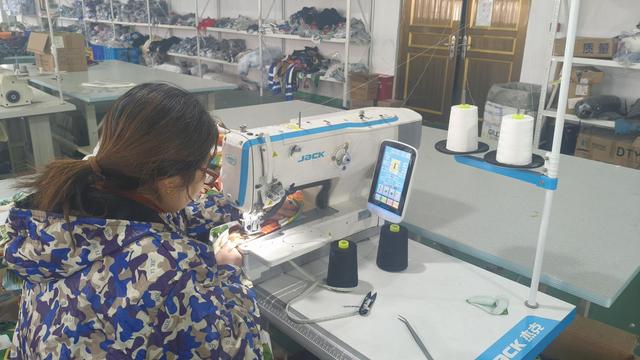
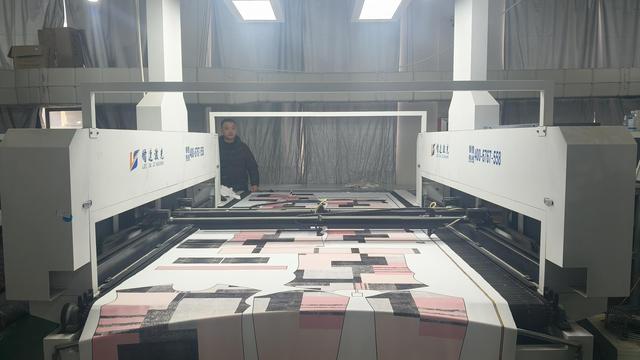
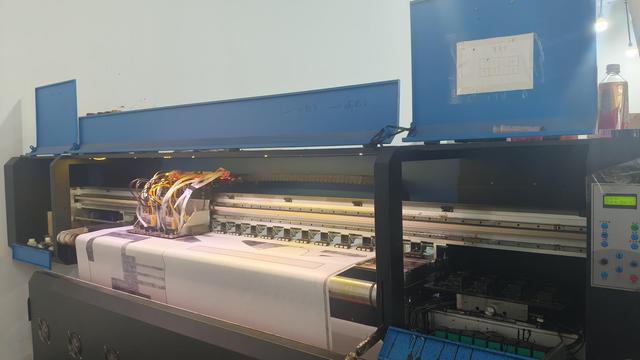
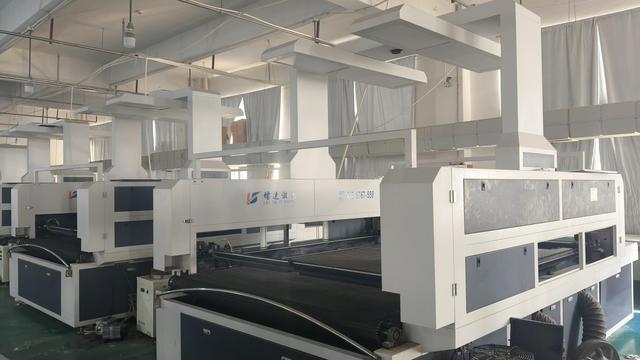
Exporting custom footwear and textiles to regions such as North America, the European Union, and Asia-Pacific requires stringent compliance. We deploy an in-house laboratory to perform continuous checks on both apparel and footwear batches before shipping, ensuring compliance with global import safety rules.
We verify the bonding strength between the outsole and the upper assembly. Midsoles undergo cyclic compression fatigue tests to prevent premature degradation during actual consumer wear.
Every dye, synthetic microfiber, leather treatment, and polymer compound is analyzed to ensure there is no trace of harmful phthalates, heavy metals, or carcinogenic azo compounds.
Using the Acceptable Quality Limit (AQL) 2.5 protocol, random products are selected from mass production batches to undergoes dimensional, mechanical, and visual verification.
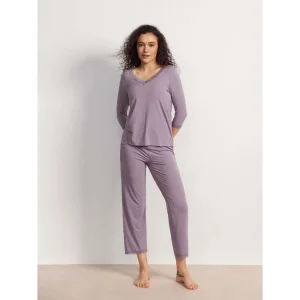
 Faber Fashion