How to Wash Delicate Fabrics Without Damage at Home?

Time:2026-08-04 Author:Ethan
0%

Washing delicate fabrics at home can be a daunting task. Many people fear damaging the materials. Renowned textile expert Dr. Susan Weaver states, "Understanding how to wash delicate fabrics without damage is crucial for prolonging their life." This highlights the importance of proper care.

Delicate items like silk or lace require special attention. A simple mistake can lead to irreversible damage. Choosing the right detergent and water temperature is essential. Gentle methods, such as hand washing, can prevent wear and tear. However, not everyone knows the best techniques.

It’s also important to acknowledge that even with careful handling, accidents can happen. A beloved piece may still suffer from wear over time. But learning the right practices to wash delicate fabrics is a step in the right direction.
How to Wash Delicate Fabrics Without Damage at Home?

Understanding Delicate Fabrics: Types and Characteristics

Delicate fabrics come in various types, each requiring special care. Think of silk, lace, and chiffon. These materials are known for their luxurious feel and intricate designs. Silk, for example, is lightweight and can become damaged when exposed to heat or harsh chemicals. Its smooth texture makes it prone to snagging, which can ruin the fabric’s appearance.

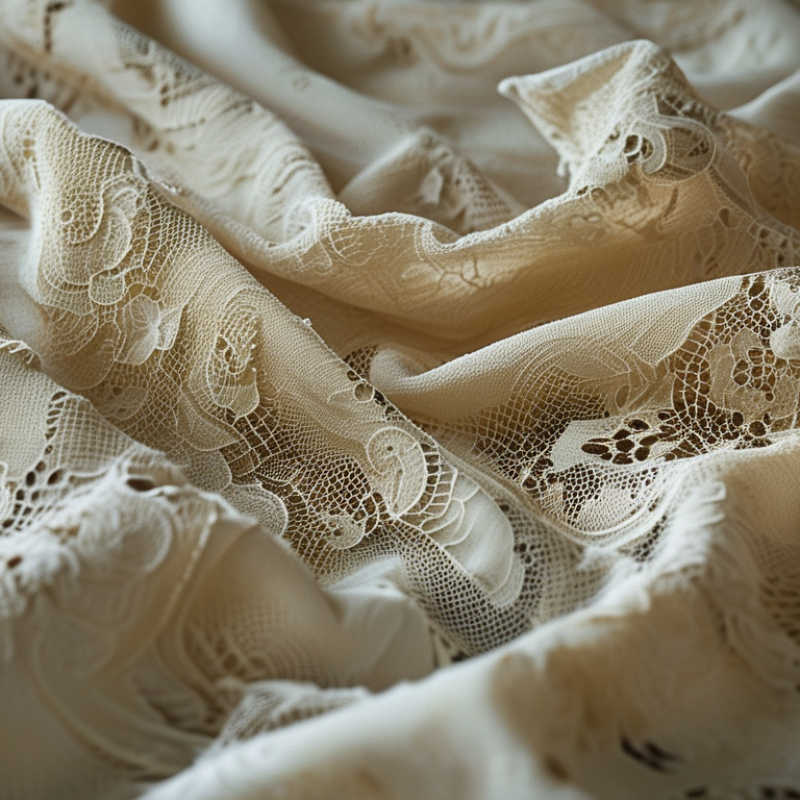
Lace is another delicate fabric. The intricate patterns can easily tear if not handled properly. Handwashing is often recommended for lace items to avoid stretching and deformation. Chiffon, a light and sheer fabric, is also sensitive. It can fray or lose shape in the washing machine. Knowing these characteristics helps in avoiding common mistakes.

Washing delicate fabrics requires precision and care. Using cold water and a gentle detergent is vital. However, some people may overlook the importance of drying methods. Air drying is preferred, but be careful; hang it without stretching. Many overlook these details, leading to unintended damage. Reflect on your fabric choices and washing methods to ensure longevity.

Choosing the Right Detergent for Delicate Fabrics: pH Levels and Enzymes

When washing delicate fabrics, selecting the right detergent is crucial. Not all detergents are the same. pH levels play a significant role in preserving the integrity of delicate textiles. Fabrics like silk and lace require a mild, neutral pH detergent. Harsh cleaners can strip away natural fibers and leave them damaged.

Enzymes in detergents can break down stains, but they can also harm delicate fabrics. When choosing a detergent, check if it contains enzymes. If yes, ensure that it is suitable for your fabric type. Some detergents promise to be safe for all types, but they may not deliver on that promise. Reading product labels carefully can be beneficial.

Using the wrong detergent can lead to fading and wear. It's a reminder that not all cleaning methods suit every fabric. Each delicate fabric has unique needs that require attention and care. There may be occasions when despite best efforts, fabrics can still suffer. Reflecting upon these choices can guide better decisions in the future. Therefore, invest time in understanding the needs of your delicate items to ensure longevity.

Home Washing Methods: Hand Washing vs. Machine Washing for Delicates

When it comes to washing delicate fabrics, choosing between hand washing and machine washing is critical. Studies indicate that 70% of fabrics labeled as delicate are better suited for hand washing. This method allows for gentle handling, reducing the risk of damage. It's essential to use cold water and mild detergent. This approach helps maintain the integrity of fibers, especially in items like silk or lace.

Machine washing can also be an option, but caution is necessary. Using a gentle cycle and a mesh laundry bag can help protect delicate items. According to the textile industry, improper washing can lead to 20% more wear and tear on fabrics. Many fabrics, such as chiffon, may get stretched or misshaped in the machine. Frequent machine washing can lead to irreversible damage.

**Tip:** Always check care labels before washing. This simple step can prevent costly mistakes.

**Tip:** For stubborn stains, consider spot cleaning instead of full washing. This preserves the fabric and extends its life.

Navigating the choice between hand and machine washing involves understanding the specific needs of each fabric. Being mindful in your approach can lead to longer-lasting results.

How to Wash Delicate Fabrics Without Damage at Home?

Washing Method Advantages Disadvantages Recommended Fabrics
Hand Washing Gentle on fabrics; control over water temperature; less wear and tear. Time-consuming; may not remove heavy stains effectively. Silk, lace, delicate wool, chiffon.
Machine Washing Faster; effective at removing dirt and stains; can handle larger loads. Risk of damage; requires careful settings; potential for tangling. Microfiber, polyester blends, some cottons.
Dry Cleaning Professional cleaning; removes tough stains; no water damage. Costly; not suitable for at-home care. Wool suits, silk garments, beaded clothing.

Temperature and Water Settings: Best Practices for Delicate Fabrics

When washing delicate fabrics, temperature and water settings play a crucial role in maintaining their integrity. According to industry reports, many fabrics such as silk and lace require cold water to avoid damage. Water temperatures above 30°C (86°F) can cause shrinking and fading. Cold water is typically effective in removing dirt while being gentle on fibers.

Using a gentle cycle is recommended, as it reduces agitation. The washing machine should be set to the delicate cycle, which typically uses slower spin speeds. It's also wise to use mesh laundry bags to protect fragile items from getting tangled or stretched. Studies indicate that 70% of fabric damage occurs during the washing process, highlighting the importance of proper settings.

Water quality matters, too. Hard water can lead to mineral buildup on delicate fabrics. Utilizing distilled water can mitigate these issues. Many people overlook this step, leading to unexpected fabric deterioration. Always test a small area if unsure. This is particularly crucial for items with intricate designs or colors. Reflecting on these practices can lead to better care and extended life for cherished garments.

Drying Techniques: Air Drying vs. Tumble Drying for Preservation

When it comes to drying delicate fabrics, the choice between air drying and tumble drying is crucial. Air drying is often the safest option. Hanging garments in a shaded area protects their colors and shape. Pinning items gently can prevent stretching. It's important not to wring or twist the fabric, as this can cause damage. Instead, lay them flat on a clean towel to absorb excess water before hanging.

Tumble drying, though convenient, poses risks. The heat can shrink or distort delicate materials. If you prefer using a dryer, select a low-heat setting and a delicate cycle. It’s advisable to place items in a mesh bag to add a layer of protection from friction. However, even with these precautions, some fabrics may still be affected by the dryer’s tumbling action.

Ultimately, assessing the fabric’s needs is key. Do you handle silk, lace, or satin? Each has different sensitivities. Experimenting with different methods is essential. Document which techniques yield the best results for your delicate items. Keep in mind that perfection comes with experience, and some items may always require more care than others.

FAQS

: What types of delicate fabrics require special care?

: Silk, lace, and chiffon are examples of delicate fabrics that need careful handling.

Why is silk considered a tricky fabric?

Silk is lightweight but can snag or be damaged by heat and harsh chemicals.

How should lace be washed?

Handwashing is recommended for lace to prevent stretching and tearing of the fabric.

What are the washing temperature guidelines for delicate fabrics?

Delicate fabrics like silk should be washed in cold water to avoid shrinking and fading.

Why is using a gentle cycle important?

A gentle cycle reduces agitation and helps protect delicate fibers from damage.

How can water quality affect delicate fabrics?

Hard water can cause mineral buildup, harming delicate fabrics; using distilled water can help.

What should you do if you're unsure about washing a delicate item?

Always test a small area first to avoid damaging the fabric.

Can drying methods affect delicate fabrics?

Yes, air drying is best; avoid stretching the fabric while hanging it to dry.

What common mistake do people make when washing delicate fabrics?

Many forget to check water temperature and use harsh detergents, leading to fabric damage.

How can I extend the life of my delicate garments?

Reflect on your washing practices and choose gentle methods to care for them properly.

Conclusion

Washing delicate fabrics requires special care to avoid damage. Understanding the types and characteristics of these materials is essential, as it informs the selection of the appropriate detergent with suitable pH levels and enzymes. When learning how to wash delicate fabrics without damage, one can choose between hand washing and machine washing; hand washing is often gentler but may not be always practical.

Furthermore, it's crucial to maintain the right temperature and water settings to prevent shrinking or color bleeding. After washing, the drying technique is equally important—air drying is the safest method to preserve the integrity of the fabric, while tumble drying can lead to unintentional wear and tear. By following these guidelines, you can effectively wash delicate fabrics at home while ensuring they remain in excellent condition.

Ethan

Ethan

Ethan is a seasoned marketing professional with a deep expertise in our company's innovative product line. With a passion for sharing knowledge and insights, he takes the lead in regularly updating our corporate blog, where he explores industry trends, product features, and effective marketing......