When it comes to professional attire, selecting the right outfit can significantly impact workplace confidence and productivity. According to a recent report by the Bureau of Labor Statistics, 70% of professionals believe their clothing influences their career advancement. This aligns with insights from fashion consultant Lisa Adams, who asserts, "Choosing the right work outfits can set the tone for your professional image."
Understanding how to choose work outfits for office professionals is essential in today’s competitive environment. It’s not just about looking good; it’s about feeling empowered. A tailored blazer, for instance, conveys authority, while comfortable yet chic footwear ensures all-day productivity. However, many professionals struggle with balancing personal style and office norms.
The evolving workplace culture also merits consideration. Remote and hybrid models have blurred the lines of traditional dressing codes. Yet, the importance of looking polished hasn’t diminished. “Reflecting your personality through your work attire can sometimes be challenging,” adds Adams. In this dynamic landscape, professionals must adapt while staying true to their style.
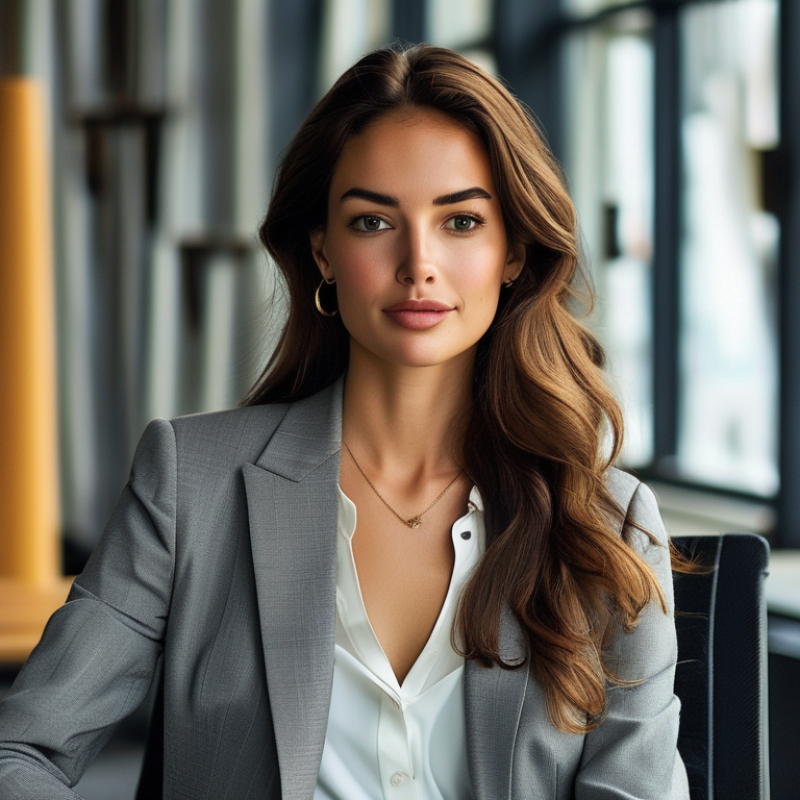
Choosing the right work outfit can significantly impact your professional image. Professional attire speaks volumes about your attitude and respect for the workplace. An appropriate outfit creates a positive first impression. It builds trust and sets the tone for interactions. Research shows that clothing choices can influence confidence levels. Feeling good in your attire often translates into better performance.
Many professionals face challenges with outfit selection. The balance between comfort and professionalism can be tricky. Some may opt for trendy pieces that lack formality. Others might stick to the same outfits, leading to monotony. Reflecting on your wardrobe periodically is essential. Consider factors like fit, color, and appropriateness for your workplace culture. Identifying what works for you can enhance both your appearance and your confidence.
Investing time in understanding dress codes is crucial. Knowing whether your office prefers business casual or formal attire helps narrow choices. Take cues from colleagues who embody the ideal office style. Seek feedback on your appearance from trusted peers. This peer insight can guide improvements you might not notice. Choosing the right outfit is a continuous learning process that evolves with your career.
| Outfit Type | Description | Best for | Season |
|---|---|---|---|
| Business Formal | Suit and tie or formal dress. | Formal meetings, interviews. | All seasons |
| Smart Casual | Khakis and blazer or nice top. | Everyday office, casual meetings. | Spring, fall |
| Business Casual | Dress shirt with slacks or skirt. | Regular workdays. | All seasons |
| Creative Attire | Colorful and stylish outfits. | Creative industries, casual Fridays. | Summer |
| Casual Chic | Stylish jeans and a nice top. | Laid-back office environments. | Spring, summer |
| Corporate Uniform | Standardized attire provided by the company. | Every employee, uniform requirements. | All seasons |
| Blended Office Wear | Mix of formal and casual elements. | Flexible work environments. | Year-round |
| Executive Wear | High-end tailored suits or dresses. | Executives and high-level meetings. | All seasons |
| Comfort Focused | Soft fabrics, loose fits, minimal structure. | Home office, remote work. | All seasons |
| Seasonal Attire | Outfits designed to adapt to seasonal weather. | Various occasions throughout the year. | Year-round |
: Professional attire affects your image and creates a positive first impression. It builds trust in workplace interactions.
Finding comfort and professionalism can be difficult. Some choose trendy pieces lacking formality, while others stick to monotony.
Reflect on your wardrobe regularly. Consider fit, color, and workplace culture. Identify items that enhance your confidence.
Cotton, blended materials, and lightweight wools are great choices. They allow breathability and comfort in different office climates.
Tailored clothing enhances professionalism. Well-fitted blazers and trousers create a polished look, but everyone has unique body shapes.
Neutral colors are safe, but don’t avoid deeper shades to express yourself. Patterns can add style, but keep them balanced.
Accessories can elevate your look. A tailored belt or minimalist jewelry can enhance without overwhelming your professionalism.
Select chic and comfortable shoes. Poorly chosen footwear can lead to discomfort and distract from your performance during the day.
Regularly reflect on your wardrobe. Keep only items that inspire confidence, and consider donating or discarding unused pieces.
Choosing the right work outfits is essential for office professionals as it not only enhances personal confidence but also reflects a professional image. Understanding the importance of professional attire involves recognizing how clothing can impact perceptions in the workplace. When learning how to choose work outfits for office professionals, key considerations include dress codes, office culture, and personal comfort, which are crucial in making the right selection.
Our top 10 versatile work outfits cater to various office environments, ensuring that professionals can adapt their style accordingly. Essential fabrics should prioritize comfort and professionalism, such as breathable materials that allow for ease of movement. Additionally, accessorizing your outfit thoughtfully can elevate your overall look, ensuring you appear polished and ready for any business setting. By keeping these elements in mind, office professionals can curate a wardrobe that balances style, comfort, and authority.

 Faber Fashion