China Top 10 Capsule Wardrobe Basics for Global Buyers?

Time:2026-10-08 Author:Aria
0%

A capsule wardrobe is no longer a minimalist experiment. It is becoming a practical buying strategy for global apparel customers. McKinsey and The Business of Fashion’s State of Fashion 2025 report describes a cautious market, with shoppers demanding stronger value and clearer product benefits. This shift matters for buyers sourcing from China, where fabric selection, scalable production, and flexible private-label services can support essential clothing ranges.

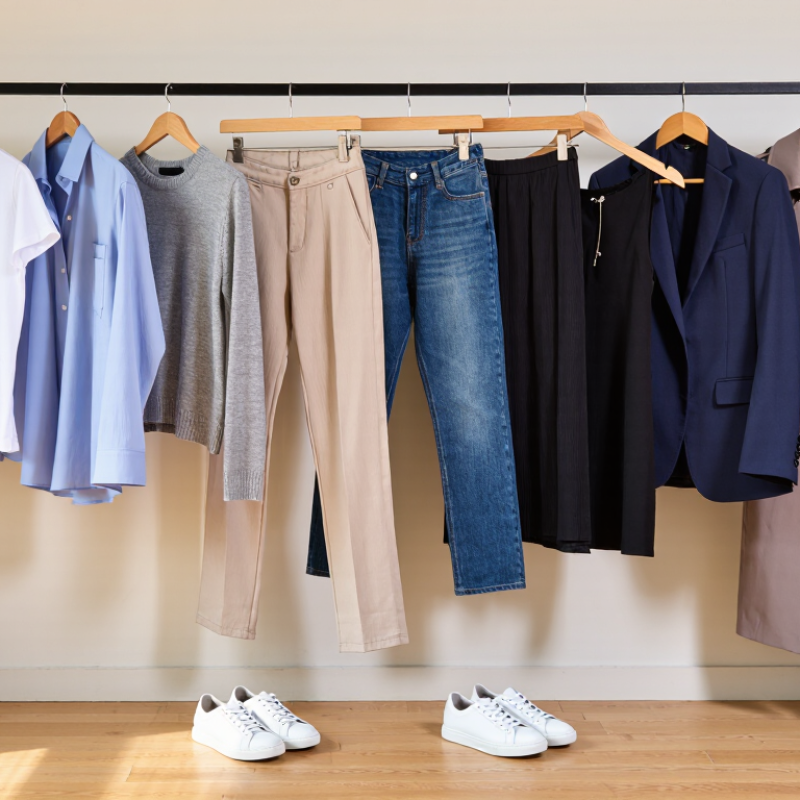
So, what are the basics of a capsule wardrobe? The answer usually includes a neutral T-shirt, tailored shirt, lightweight knit, versatile trousers, denim, skirt, simple dress, structured jacket, weather-ready outerwear, and comfortable everyday shoes. These pieces should coordinate easily. Picture a white cotton tee under a navy blazer, then paired with straight-leg trousers or denim. Small details matter: fabric weight, stitching, shrinkage control, colorfastness, and size grading can determine repeat orders.

Industry data supports this practical direction. The 2024 ThredUp Resale Report projects the global secondhand apparel market could reach 350 billion dollars by 2028, increasing pressure for durable, reusable clothing. Textile Exchange’s Materials Market Report 2024 also highlights the continued scale of global fiber production and the need for better material choices. These reports do not make every “sustainable” claim reliable. Buyers still need test reports, supplier audits, and sample inspections.

This guide explores China’s top 10 capsule wardrobe basics for global buyers. It considers commercial demand, daily wear, sourcing feasibility, and quality control. Some recommendations may seem obvious. That is part of the challenge. Basic garments often expose weak construction faster than decorative fashion does.
China Top 10 Capsule Wardrobe Basics for Global Buyers?

Defining Capsule Wardrobe Essentials for Global Buyers

For global buyers, capsule wardrobe essentials mean fewer, more compatible garments, not simply ten fashionable items. A practical China sourcing range can include a white T-shirt, light shirt, fine knit, overshirt, blazer, straight trousers, dark jeans, versatile skirt, weatherproof shell, and neutral sneakers. Each piece should work across at least three outfits. Fit travels poorly.

Cotton or recycled-blend fabrics can support comfort, but fiber choice must match climate, care access, and price targets. The Textile Exchange Materials Market Report 2024 shows recycled fibers remain a small share of global fiber production, so sustainability claims require verified composition data.

Buyers should request fabric certificates, shrinkage tests, colorfastness results, and size measurements before approving bulk production. A neat sample can still hide inconsistent grading.

Durability matters commercially. The 2024 ThredUp Resale Report projects the global secondhand apparel market could reach 350 billion dollars by 2028, signaling stronger interest in garments that retain value. The UN Environment Programme estimates fashion contributes 2–8% of global greenhouse gas emissions, making longer product life a practical purchasing concern.

Yet a capsule is not automatically sustainable. Ten poorly made basics create ten disposal problems. Chinese suppliers should offer repairable construction, adaptable colors, and transparent material records. Neutral is useful, but not universal. Warmer markets may need breathable shirts, while colder regions require layering room and stronger outer fabrics.

China’s Top 10 Capsule Wardrobe Basics by Clothing Category

China’s top 10 capsule wardrobe basics cover practical categories for global buyers:

a white shirt
cotton T-shirt
fine-knit sweater
cardigan
tailored trousers
straight-leg jeans
neutral skirt
simple dress
lightweight jacket
seasonal coat

These pieces create flexible outfits without excessive inventory. During production reviews, buyers should check fabric hand-feel, seam strength, stitching density, and color consistency. A 180–220 GSM cotton T-shirt often balances comfort and durability, but the best weight depends on climate and target customers.

Reliable sourcing also requires accurate measurement charts and careful size grading.

Ask suppliers to provide pre-production samples, fabric composition records, shrinkage results, and colorfastness test details. Natural fibers may feel premium, yet they can wrinkle or change size after washing. That matters. A capsule range should include neutral colors, but one muted seasonal shade can improve visual appeal.

Black cream navy soft gray olive

usually coordinate well across categories. Still, neutral does not mean boring.

Tips:

Review each sample after washing, not only straight from the package. Compare sleeve length, pocket placement, waistband recovery, and hem alignment. Keep the first order modest until quality remains consistent across multiple sizes.

I would also avoid choosing every item from one fabric family; the wardrobe may look flat and feel unsuitable in changing weather. A slightly imperfect sample can reveal production risks early, which is more useful than a polished sample with unclear specifications.

Evaluating Fabric, Quality, Sizing, and Seasonal Versatility

China’s top ten capsule wardrobe basics should be judged by fabric performance, not photos alone. A practical range includes T-shirts, shirts, knitwear, trousers, denim, skirts, lightweight jackets, dresses, loungewear, and weather-ready outer layers. For cotton T-shirts, I look for even knitting, clean seams, and fabric between 180 and 220 gsm. Linen blends need breathability, but excessive viscose may weaken after repeated washing. Wool or recycled-fiber knits should recover after stretching. Small tests matter.

Ask suppliers for fiber composition, colorfastness results, shrinkage data, and washing instructions. A strong sample should keep its shape after three home washes. However, one sample proves little. Production batches can vary. That deserves attention. I prefer measurement charts in centimeters, with separate body and garment measurements. Global buyers should compare shoulder width, chest ease, sleeve length, and rise measurements. Asian and Western size labels are not interchangeable. Grading must be checked across the smallest and largest sizes.

Seasonal versatility also affects value. A cotton overshirt can work over a T-shirt in spring and under a coat in autumn. Midweight trousers may suit several climates, while heavy fleece can limit international demand. Layering pieces usually perform better than highly seasonal designs. I sometimes overestimate a fabric’s versatility when testing indoors. Outdoor wear, humidity, and real movement reveal more. Care labels should be clear, translated accurately, and matched to the tested fabric. Reliability comes from repeat inspections, not attractive prototypes.

China Top 10 Capsule Wardrobe Basics for Global Buyers

Comparative evaluation of fabric performance, construction quality, sizing consistency, and seasonal versatility on a 0–100 benchmark scale.

The benchmark favors durable natural or blended fabrics, reliable construction, broadly usable size grading, and suitability across multiple seasons. Scores are comparative planning estimates for global sourcing decisions and do not represent any company or brand.

Understanding China-Based Sourcing, Pricing, and Customization Options

China Top 10 Capsule Wardrobe Basics for Global Buyers?

A practical capsule wardrobe can include a white T-shirt, tailored shirt, fine knit, cardigan, blazer, trousers, jeans, neutral skirt, simple dress, and lightweight jacket. China-based sourcing offers broad fabric choices and flexible production for these essentials. Cotton jersey, linen blends, recycled polyester, and wool-mix fabrics are commonly available. Fit matters more.

Buyers should compare at least three factories before placing an order. Request fabric composition, size charts, color cards, sewing details, and sample costs in writing. A basic T-shirt may cost about $2.50–$6 at factory level, while a lined blazer can range from $18–$45. Prices change with fabric weight, order quantity, trims, packaging, and inspection requirements. Ask clearly.

Customization can include private labels, custom measurements, woven labels, embroidery, buttons, garment dyeing, and recyclable packaging. Many suppliers accept low minimum quantities for simple styles, but complex designs often require higher minimums. A pre-production sample helps check shrinkage, stitching, pocket placement, and color accuracy. Samples reveal flaws.

From sourcing experience, production calendars need realistic space for revisions. I once underestimated fabric approval time, which delayed bulk cutting by several days. Buyers should confirm payment terms, lead times, quality standards, and acceptable defect levels before production. Independent inspections can verify measurements, workmanship, carton counts, and labeling accuracy. Keep every approval documented.

Managing Compliance, Orders, Shipping, and Supplier Selection

China Top 10 Capsule Wardrobe Basics for Global Buyers?

Managing Compliance, Orders, Shipping, and Supplier Selection

A reliable capsule wardrobe starts with practical basics: cotton T-shirts, shirts, knitwear, trousers, skirts, denim, lightweight jackets, and neutral outer layers. Global buyers should confirm fiber content, size tolerances, colorfastness, shrinkage, and care-label requirements before placing bulk orders. Requirements differ by destination. Check them carefully.

Request samples from several factories, not only one. Compare stitching, fabric weight, seam strength, and measurement accuracy under the same checklist. Ask for recent test reports and production photos, then verify whether they match the actual factory. A polished sales presentation proves little. A clear audit trail matters more. Review the supplier’s business registration, production capacity, quality process, minimum order quantity, and response time. Small trial orders can reveal weaknesses early.

Order documents should state quantities, colors, sizes, packaging, inspection standards, payment stages, and delivery terms. Confirm carton dimensions and gross weight before booking shipping. These details affect freight costs and customs clearance. Choose sea, rail, air, or courier service according to urgency and margin. Keep commercial invoices, packing lists, certificates, and transport documents consistent. I would still allow extra time for rework. Production schedules are rarely perfect. One overlooked measurement can delay an entire shipment. Supplier selection is not a one-time decision; performance should be reviewed after every delivery.

China Top 10 Capsule Wardrobe Basics for Global Buyers: Managing Compliance, Orders, Shipping, and Supplier Selection
No. Capsule Wardrobe Basic Typical Materials and Construction Indicative HS Heading Key Compliance Requirements Recommended Pre-Production Documents Typical MOQ per Color Typical Lead Time Shipping and Packing Guidance Supplier Selection Criteria Buyer Quality-Control Checkpoints
1 Crew-Neck T-Shirt 100% cotton or cotton-polyester jersey; approximately 140–220 g/m²; ribbed collar; single or double-needle hems. 6109 for knitted T-shirts; exact classification depends on fiber content, construction, and destination customs rules. Fiber-content labeling; care labeling; textile safety requirements; restricted substances testing such as azo dyes, formaldehyde, lead, and phthalates where applicable. Tech pack, approved size chart, fabric composition certificate, color standard, trim list, bill of materials, and test plan. 300–800 pieces Sample: 7–14 days
Bulk: 25–40 days after approval
Folded and polybagged; use export cartons with carton marks. Sea freight is economical for replenishment orders; air freight suits urgent samples or small launches. Stable jersey sourcing, consistent shrinkage control, flat-lock or cover-stitch capability, and documented needle and metal-control procedures. Fabric weight, shrinkage after washing, spirality, collar recovery, shade consistency, seam strength, print or embroidery placement, and measurement tolerances.
2 Sleeveless Tank Top Cotton jersey, modal blend, or recycled polyester; lightweight construction; binding or turned armholes. 6109 for knitted tops in many cases; verify the final code with a customs broker. Accurate fiber declaration; colorfastness; restricted-substance controls; country-of-origin marking; applicable children’s-product rules if designed for children. Size specification, fabric test report, color approval, labeling artwork, packaging specification, and sample approval record. 300–800 pieces Sample: 7–12 days
Bulk: 20–35 days
Pack by size and color to reduce sorting costs. Prevent compression marks on fine-gauge fabrics and use moisture-resistant carton liners for long transit. Experience with lightweight fabrics, accurate binding tension, reliable color matching, and low defect rates at armholes and necklines. Armhole symmetry, neckline stretch, fabric transparency, pilling, colorfastness to washing and perspiration, and seam appearance.
3 Button-Front Shirt Woven cotton poplin, Oxford cloth, linen blend, or Tencel-type cellulosic fabric; collar stand; buttons and interlining. 6205 for many men’s woven shirts or 6206 for many women’s woven blouses; confirm gender classification and construction. Textile labeling; button and trim safety; formaldehyde and azo-dye controls; chemical compliance for the destination market; accurate origin marking. Approved pattern, collar and cuff construction sheet, button specification, interlining details, fabric test results, and packaging plan. 300–600 pieces Sample: 10–18 days
Bulk: 30–45 days
Use collar supports or protective inserts to reduce deformation. Separate light and dark colors where possible to reduce color-transfer risk. Strong woven-shirt workmanship, reliable buttonhole machines, skilled pressing operators, and documented fabric inspection procedures. Collar roll, buttonhole size, button attachment strength, puckering, sleeve balance, stripe or check matching, and wash shrinkage.
4 Fine-Gauge Cardigan Cotton, viscose, wool blend, or synthetic knit; 7–12 gauge construction; button front; ribbed cuffs and hem. 6110 for many knitted cardigans and similar garments; fiber and construction affect classification. Fiber labeling; care instructions; wool or animal-fiber declarations where relevant; pilling and colorfastness testing; restricted-substance compliance. Yarn specification, knit swatch, gauge information, approved measurements, button details, color standard, and test requirements. 200–500 pieces Sample: 14–21 days
Bulk: 35–55 days
Fold rather than hang during transport. Use breathable inner packaging for natural fibers and avoid excessive carton compression. In-house knitting or dependable knitting partners, linking and finishing expertise, controlled garment measurements, and low needle-line defects. Gauge consistency, holes, dropped stitches, pilling, shape recovery, button security, color variation, and measurement after relaxation.
5 Crew-Neck Sweater Wool blend, cotton knit, acrylic, or recycled synthetic yarn; medium-weight knit; ribbed neckline, cuffs, and hem. 6110 is commonly used for knitted pullovers and similar garments; confirm according to material and market. Fiber composition; care labeling; wool or animal-origin disclosure when applicable; flammability and chemical requirements based on destination market. Yarn certificates, knit-down approval, measurement chart, approved hand-feel standard, color lab dips, and pilling test requirements. 200–500 pieces Sample: 14–21 days
Bulk: 35–60 days
Use low-compression packing and carton dividers for delicate knits. Sea freight is generally suitable; expedited air freight may increase deformation risk if tightly packed. Verified knitting capacity, yarn traceability, shrinkage-control process, and experience with finishing, washing, and anti-pilling treatments. Hand feel, pilling, shrinkage, shape retention, seam joining, neck opening, yarn contamination, and color consistency between production lots.
6 Tailored Trousers Polyester-viscose, cotton twill, wool blend, or stretch woven fabric; waistband, fly, pockets, and optional lining. 6203 for many men’s trousers or 6204 for many women’s trousers; classification depends on design and fiber content. Fiber and care labeling; azo-dye and restricted-substance testing; zipper and trim safety; applicable flammability requirements. Pattern, graded measurement chart, construction details, fabric and lining certificates, zipper specification, and approved pressing standard. 300–600 pieces Sample: 10–18 days
Bulk: 30–50 days
Use size-separated inner packs and carton quantity controls. Keep trousers flat-folded with tissue or clips to reduce permanent creasing. Experienced trouser pattern makers, accurate fusing and pressing, reliable stretch-fabric handling, and strong waistband and pocket construction. Waist and hip measurements, rise, inseam, leg twisting, crease position, pocket alignment, zipper operation, and seam slippage.
7 Straight-Leg Jeans Cotton denim with optional elastane; approximately 8–13 oz; metal or molded zipper; rivets and branded-free trims. 6203 or 6204 for many woven trousers; exact code depends on garment classification and destination market. Fiber labeling; nickel-release controls for skin-contact metal parts where required; azo-dye, formaldehyde, and chemical-residue testing; wash-process documentation. Denim construction sheet, wash recipe, approved shade standard, trim specification, measurement chart, and laboratory test plan. 300–800 pieces Sample: 14–21 days
Bulk: 40–65 days
Pack by shade and size. Ensure garments are fully dried after washing and avoid overloading cartons, which can cause odor, mildew, or excessive creasing. Controlled denim laundry, repeatable wash recipes, wastewater-management documentation, reliable trim sourcing, and strong measurement control. Shade matching, crocking, wash shrinkage, seam puckering, zipper strength, rivet attachment, pocket placement, and leg-twist tolerance.
8 Midi Skirt Woven cotton, polyester, viscose, linen blend, or stretch fabric; waistband, side seam or back zipper, and optional lining. 6204 for many women’s woven skirts; knitted skirts may fall under a different heading. Fiber and care labeling; zipper and trim safety; colorfastness; restricted-substance compliance; applicable flammability rules for the destination market. Pattern and grading, lining specification, zipper details, approved length and hem standard, fabric test report, and packing instructions. 300–600 pieces Sample: 10–18 days
Bulk: 30–45 days
Use tissue or paper bands to preserve pleats or drape. Protect light-colored skirts from carton dust and dye transfer during mixed-color shipments. Accurate skirt grading, clean zipper installation, stable lining suppliers, and proven control of bias-cut or drapey fabrics. Waistband stability, hem level, side-seam alignment, zipper smoothness, lining attachment, transparency, and dimensional stability after laundering.
9 Simple Casual Dress Cotton jersey, viscose woven, linen blend, or polyester crepe; pull-on or zip construction; optional lining. 6104 for many knitted dresses or 6204 for many woven dresses; confirm construction and material details. Fiber and care labeling; flammability compliance where applicable; colorfastness; restricted-substance testing; trim and drawcord safety if included. Complete tech pack, fit sample, grade rules, fabric and lining test reports, labeling artwork, and packaging specification. 300–600 pieces Sample: 12–21 days
Bulk: 35–55 days
Fold with tissue at neckline and waist. Use size and color carton labels that match the packing list to simplify receiving and inventory checks. Strong fit-sample capability, dressmaking and pressing skills, reliable lining control, and documented final-inspection procedures. Fit balance, bust and waist measurements, hem sweep, seam strength, lining comfort, colorfastness, twisting, and appearance after steaming.
10 Lightweight Utility Jacket Polyester, recycled polyester, cotton twill, or nylon shell; woven construction; zipper or snap closure; optional water-repellent finish. 6201 for many men’s outerwear garments or 6202 for many women’s outerwear garments; classification varies by design. Fiber and care labeling; coating and chemical compliance; zipper and snap safety; water-repellent treatment documentation; flammability rules where required. Shell and lining certificates, coating specification, waterproof or spray-rating test method, pattern, trim list, and approved sample. 200–500 pieces Sample: 14–21 days
Bulk: 40–60 days
Use protective polybags and moisture-resistant cartons. Confirm carton dimensions and gross weight before booking freight to avoid shipping-cost surprises. Outerwear construction experience, seam-sealing or coating capability when required, reliable zipper sourcing, and documented fabric performance testing. Water repellency, zipper operation, seam sealing, pocket strength, lining attachment, garment measurements, coating adhesion, and appearance after packing.
Typical MOQ and lead-time figures are planning ranges for private-label apparel production in China and can change with fabric availability, customization level, season, order quantity, and testing requirements. HS headings are indicative only; the final tariff classification should be confirmed with the importer’s customs broker. Compliance testing and labeling must follow the laws of the destination market.

FAQS

What items belong in a practical capsule wardrobe?

Useful basics include a white T-shirt, light shirt, fine knit, overshirt, blazer, trousers, jeans, skirt, shell, and sneakers. Each item should create at least three outfits. Ten pieces alone do not guarantee versatility.

How should buyers choose fabrics for different markets?

Match fiber choice with climate, washing access, durability, and target price. Breathable cotton may suit warm regions. Colder areas need layering room and stronger outer fabrics. The best fabric choice is not always the most sustainable one.

Which product documents should buyers request?

Request fiber certificates, shrinkage tests, colorfastness results, and detailed size measurements. Also check care-label requirements for the destination market. Sustainability claims need verified composition data. A neat sample can still hide grading problems.

How can buyers compare several factories fairly?

Use the same checklist for every sample. Compare stitching, fabric weight, seam strength, measurements, and finishing. Request recent test reports and production photos. A polished presentation proves little.

What should buyers check before approving bulk production?

Confirm quantities, colors, sizes, packaging, inspection standards, payment stages, and delivery terms. Check carton dimensions and gross weight before shipping. One missed measurement can delay a full shipment. I would still leave time for rework.

Why are small trial orders useful?

Trial orders expose quality and communication problems early. They can reveal weak seams, inconsistent sizing, slow responses, or poor packing. Small orders cost more per piece. They may prevent a larger mistake.

How should buyers select a shipping method?

Choose sea, rail, air, or courier service according to urgency, volume, and profit margin. Confirm carton size and weight before booking freight. Faster shipping is not always commercially sensible. Sometimes the cheapest route arrives too late.

How can buyers judge long-term garment value?

Look for durable construction, repairable details, adaptable colors, and transparent material records. Longer product life can support resale value and reduce disposal pressure. Neutral colors help many customers, but they are not universal. A capsule can still contain poorly made garments.

Conclusion

This guide explains what are the basics of a capsule wardrobe for global buyers seeking practical, versatile, and cost-effective clothing from China. It introduces ten essential items across key categories, such as tops, bottoms, outerwear, knitwear, dresses, and layering pieces. The selection focuses on timeless designs, coordinated colors, durable fabrics, comfortable construction, inclusive sizing, and seasonal flexibility, helping buyers create collections that remain useful across different markets and climates.

It also outlines important considerations for China-based sourcing, including supplier evaluation, fabric and quality checks, pricing structures, customization options, minimum order quantities, sample development, packaging, shipping, and order management. Buyers will learn how to compare suppliers, confirm product specifications, review production capabilities, and plan quality control before placing larger orders. With careful research and clear communication, capsule wardrobe basics can be developed into reliable, adaptable product ranges for international retail and wholesale needs.

Aria

Aria

Aria is a dedicated marketing professional with a deep passion for innovative strategies and a keen understanding of our company's product offerings. With a wealth of experience in the industry, Aria excels at crafting engaging content that highlights the unique features and benefits of our......