China Top 10 Seasonal Clothing Suppliers for Global Buyers?

Time:2026-10-13 Author:Henry
0%

Choosing a dependable seasonal clothing supplier in China requires more than comparing prices. Global buyers must examine fabric performance, production consistency, communication, and delivery reliability. This guide introduces ten Chinese suppliers serving international apparel markets, with attention to spring, summer, autumn, and winter collections.

Seasonal clothing demands practical knowledge. Lightweight linen may suit humid summers, while brushed fleece needs warmth, softness, and stable color after washing. Buyers also need clear measurements, accurate samples, flexible minimum order quantities, and dependable quality control. These details help answer the practical question of how to dress for different seasons effectively, while supporting better purchasing decisions.

The suppliers discussed here are considered through an evidence-based sourcing perspective. Their product ranges, manufacturing experience, export capabilities, customization services, and documented compliance practices deserve careful review. Buyers should request current certifications, factory information, sample approvals, and written production terms before placing orders. A polished website is not enough.

No supplier is perfect. A ranking can oversimplify real business differences. One company may excel at technical outerwear, while another performs better with cotton basics or fast fashion development. Even reliable factories can face delays during peak seasons. That is why this overview should support, not replace, direct verification. With realistic expectations and detailed communication, global buyers can build seasonal collections that look attractive, perform well, and reach customers with fewer surprises.
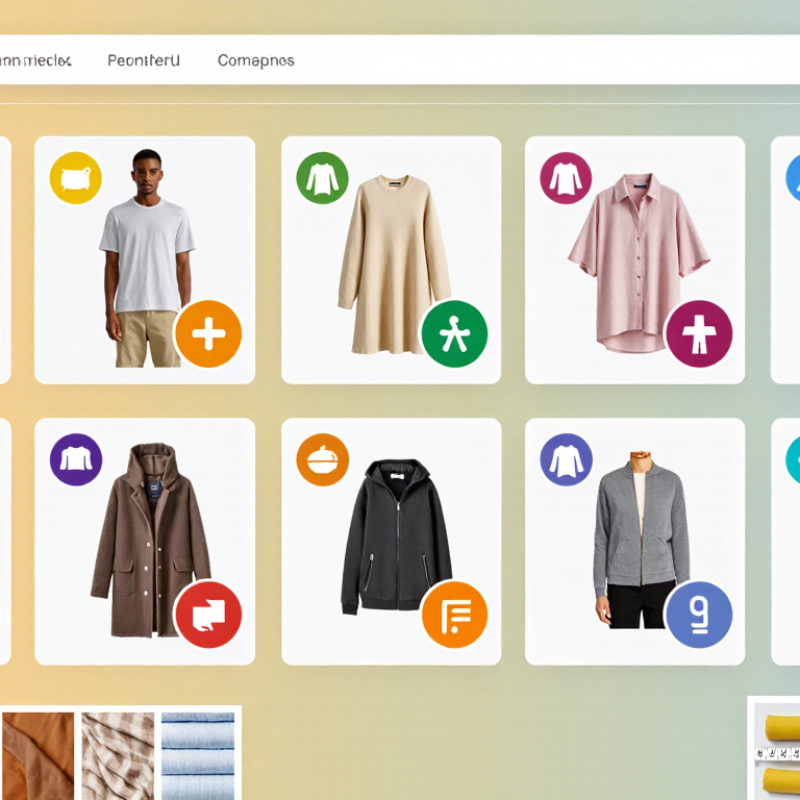
China Top 10 Seasonal Clothing Suppliers for Global Buyers?

Understanding China’s Seasonal Clothing Supply Market

China’s seasonal clothing supply market changes with weather, retail calendars, and fabric availability. Spring collections often require light cotton, linen blends, and flexible layering pieces. Summer orders may focus on breathable fabrics, quick-drying finishes, and lighter packaging. Autumn and winter demand thicker knits, padded garments, and stronger stitching.

Experienced global buyers usually compare at least ten suitable suppliers before placing seasonal orders. They examine factory capacity, sample accuracy, minimum order quantities, and production lead times. A supplier may offer attractive pricing but struggle during peak months. That risk matters. A delayed autumn shipment can miss an entire selling window. Buyers should request fabric composition reports, measurement charts, color standards, and pre-production samples. Clear records reduce avoidable disputes.

Reliable sourcing also requires practical factory verification. Buyers can review recent production photos, audit documents, quality procedures, and worker safety practices. Payment terms and inspection stages should be written clearly. Seasonal clothing involves uncertainty, especially when forecasts are weak. I would not treat every sales promise as evidence. A small trial order may reveal packing problems, uneven sizing, or weak communication. The market is efficient, but not perfect. Careful buyers leave time for corrections, shipping changes, and thoughtful reassessment.

Key Criteria for Evaluating Seasonal Clothing Suppliers

Choosing among China’s top seasonal clothing suppliers requires more than comparing prices. A reliable evaluation starts with production evidence. Ask for recent sample records, defect rates, on-time delivery data, and capacity during peak months. The Textile Exchange Materials Market Report 2024 reports that global fiber production reached 124 million tonnes in 2023. This scale increases material risks. Suppliers should therefore disclose fiber composition, mill locations, recycled content, and testing procedures.

Lead time matters when demand changes quickly. Request a written timeline covering fabric booking, sampling, production, inspection, and shipment. Compare the supplier’s minimum order quantity with your forecast, not with an ideal sales plan. McKinsey’s State of Fashion 2025 describes continued uncertainty and cautious purchasing across fashion markets. Flexible suppliers can offer smaller trial runs, repeat orders, and controlled color changes. However, flexibility may raise unit costs. Buyers should calculate the full landed cost.

Compliance evidence must be practical, not decorative. Review factory audit dates, worker safety records, quality certificates, and traceability documents. Independent laboratory testing can verify shrinkage, colorfastness, seam strength, and restricted substances. A supplier that answers quickly is useful, but speed is not proof. I would also contact two recent customers, where permission is available. One weakness remains: supplier data can be incomplete or self-reported. Keep a scoring sheet, record unanswered questions, and revisit performance after the first season.

Profiles of China’s Top 10 Seasonal Clothing Suppliers

China’s top seasonal clothing suppliers serve different production needs, rather than one identical market. A Hangzhou knitwear factory develops lightweight cardigans, ribbed tops, and breathable cotton layers for spring collections. A Ningbo woven-garment supplier focuses on shirts, skirts, and lined dresses with consistent size grading. Its sample room usually supports several fabric options.

A Guangzhou supplier specializes in resort clothing, including linen-blend sets, loose trousers, and printed shirts. A Fujian sportswear factory produces quick-drying jackets and flexible training garments. A Jiangsu outerwear manufacturer handles padded coats, rain-resistant shells, and removable hoods for colder seasons. These factories often provide fabric testing, color cards, and pre-production samples.

A Zhejiang denim producer offers washed jeans, overshirts, and seasonal utility styles. A Shandong workwear supplier develops durable uniforms with reinforced seams and practical pockets. A small Shanghai design-led workshop suits buyers seeking limited runs and detailed finishing, although its unit costs may be higher. A Guangdong children’s clothing factory focuses on soft fabrics, secure trims, and age-specific measurements. Safety checks remain essential.

A Hebei accessories-focused supplier adds scarves, hats, and lightweight seasonal layers to wider orders. Experienced buyers should verify factory capacity, inspection records, shrinkage results, and delivery schedules before contracting. Production quality can change between samples and bulk goods. That risk deserves attention. Supplier rankings also depend on order size, product category, and communication speed, so no single factory suits every global buyer.

Comparing Products, MOQs, Prices, and Production Lead Times

China Top 10 Seasonal Clothing Suppliers for Global Buyers?

Comparing Products, MOQs, Prices, and Production Lead Times

A practical review of ten Chinese seasonal clothing suppliers should begin with product fit. Cotton T-shirt makers often offer samples from $3 to $7, with MOQs near 300 pieces. Fleece hoodie suppliers usually quote $8 to $18 and require 500 pieces. Linen shirts may cost $6 to $14, while knitwear ranges from $7 to $20. Prices change with fabric weight, dyeing, trims, and packaging.

Swimwear suppliers commonly accept 300 to 500 pieces per color. Their standard lead time is 25 to 40 days. Lightweight jacket factories often request 500 to 1,000 pieces, with production taking 35 to 55 days. Thermal wear, children’s clothing, and rainwear may need stricter testing and longer approval cycles. A realistic sample fee is $30 to $100, excluding express shipping.

Ask each supplier for a current fabric card, size chart, and production schedule. Do not trust a low quote without checking fabric composition. It may exclude labels, inspections, or carton costs. I have seen buyers compare unit prices but ignore failed samples and late seasonal delivery. That mistake is expensive. A smaller MOQ can help testing, although it may raise the unit cost by 10% to 25%. Confirm payment stages, defect handling, and reorder capacity in writing. Some suppliers promise 20-day production, but crowded months can add two weeks. Plan backward from the selling season.

Steps for Choosing and Working with the Right Supplier

China Top 10 Seasonal Clothing Suppliers for Global Buyers

Choosing a seasonal clothing supplier requires more than comparing prices. Define your target fabrics, sizes, colors, order volumes, and delivery windows before requesting quotations. Ask for business licenses, factory details, production capacity, and recent quality records. A supplier should explain material composition and testing procedures clearly. Samples reveal weaknesses. Check stitching, shrinkage, colorfastness, zippers, labels, and packaging under realistic conditions. Do not judge one sample alone. Request a second sample after revisions, because seasonal production often changes between small and large orders.

Working with the right supplier depends on precise communication. Share technical sheets with measurements, tolerances, artwork, fabric weight, and acceptable defects. Confirm minimum order quantities, sample charges, payment stages, inspection rights, and shipping terms in writing. Protect the timeline with a production calendar, including fabric approval and final inspection. Use an independent inspection when the order is commercially important. Small errors matter. A missing centimeter can affect an entire size range.

Maintain weekly updates during production, but avoid vague promises. Request dated photos, material confirmations, and carton details. Verify labeling and import documents against the destination market’s requirements. A supplier may pass an audit and still miss a deadline. That risk deserves discussion, not denial. Allow buffer time for weather, material delays, and rework. Review every shipment after arrival, recording defects and corrective actions. Perfect cooperation is unrealistic; clear evidence and honest follow-up are more reliable.

How Global Buyers Can Evaluate Seasonal Clothing Suppliers

Recommended assessment weights for comparing seasonal apparel suppliers. This planning framework emphasizes product quality, delivery reliability, compliance, and communication rather than company or brand names.

Use these weights as a starting point: verify samples, production capacity, certifications, lead times, payment terms, and after-sales procedures before placing an order.

FAQS

What fabrics are commonly needed for each clothing season?

Spring often needs light cotton, linen blends, and flexible layering pieces. Summer favors breathable, quick-drying fabrics. Autumn and winter require thicker knits, padding, and stronger stitching.

How many suppliers should buyers compare before placing a seasonal order?

Experienced buyers often compare at least ten suitable suppliers. Price alone is not enough. Compare capacity, samples, minimum quantities, lead times, and quality evidence.

Why is production timing important for seasonal clothing?

A delayed autumn shipment may miss the selling window. Request a timeline for fabric booking, sampling, production, inspection, and shipment. Leave time for corrections.

What documents should buyers request from suppliers?

Request fabric composition reports, measurement charts, color standards, and pre-production samples. Also review audit dates, safety records, quality certificates, and traceability documents.

How can buyers test a supplier before making a large order?

Place a small trial order first. Check packing, sizing, stitching, color, and communication. Small tests reveal problems early. Sometimes, they do not reveal everything.

What quality tests are useful for seasonal garments?

Independent testing can examine shrinkage, colorfastness, seam strength, and restricted substances. These checks provide stronger evidence than sales promises. Keep the results on file.

How should buyers assess a supplier’s production capacity?

Ask for recent production photos, sample records, defect rates, and on-time delivery data. Confirm capacity during peak months. A supplier may quote well but become overloaded.

How can buyers control costs when suppliers offer flexible orders?

Compare minimum quantities with realistic sales forecasts. Include fabric, production, inspection, packaging, and shipping costs. Smaller runs may cost more per unit. That trade-off needs review.

Is quick supplier communication proof of reliability?

No. Fast replies are helpful, but they are not proof. Contact recent customers when permission exists. Record unanswered questions and reassess performance after the first season.

What problems should buyers expect in seasonal clothing sourcing?

Forecasts may be weak, materials may change, and supplier data may be incomplete. Sizing can vary between batches. Keep correction time available. The market is efficient, not perfect.

Conclusion

China’s seasonal clothing supply market offers global buyers a broad range of products, including lightweight summer wear, transitional outfits, insulated winter apparel, and weather-resistant garments. This article explains how to evaluate suppliers by considering product quality, fabric options, customization capabilities, certifications, communication, minimum order quantities, pricing, and production capacity. It also presents profiles of ten leading supplier types and compares their product ranges, MOQs, estimated prices, and production lead times to help buyers understand the differences between potential partners.

The guide also explores how to dress for different seasons effectively while selecting clothing that matches regional climates, customer preferences, and market demand. Buyers will learn practical steps for shortlisting suppliers, requesting samples, confirming specifications, negotiating terms, checking quality, and coordinating delivery schedules. By following a structured sourcing process and balancing cost with reliability, flexibility, and product performance, global buyers can build stronger supplier relationships and make more informed seasonal clothing purchasing decisions.

Henry

Henry

Henry is a dedicated marketing professional with a profound expertise in the company's offerings. With years of experience in the industry, he possesses an impressive understanding of the market dynamics and consumer behaviors that drive success. Henry is committed to sharing his insights through......