How to Choose Sustainable and Eco Friendly Fashion?

Time:2026-10-03 Author:Sophia
0%

Choosing sustainable and eco friendly fashion is no longer limited to buying clothes labeled “green.” It requires careful questions about materials, production, workers, durability, and disposal. This guide explains how to pick sustainable and eco friendly fashion through practical checks that shoppers can use in real stores and online shops.

A useful starting point is the garment’s fiber content. Organic cotton, recycled wool, linen, hemp, and recycled synthetics may reduce certain environmental pressures, but no material is perfect. Check whether a brand explains its certifications, factory locations, and repair policies. Vague phrases such as “conscious” or “planet friendly” should not replace measurable information. Look for recognized standards, including GOTS, Fair Trade, OEKO-TEX, or the Global Recycled Standard, while remembering that certification scopes can differ.

Consider how the item will live in your wardrobe. A durable jacket worn for five years may be a better choice than several inexpensive shirts bought impulsively. Examine stitching, buttons, fabric weight, and washing instructions. Ask whether you can repair the piece locally. Small details matter, such as a spare button attached inside the label or reinforced seams around the pockets.

Be realistic.

Sustainable shopping can still involve trade-offs. Recycled polyester may reduce virgin plastic use, yet it can release microfibers during washing. Secondhand clothing can extend product life, but poor-quality garments remain poor choices. Brands may also publish incomplete data. This guide encourages informed decisions, not perfection. Your budget, climate, lifestyle, and access to ethical retailers all deserve consideration. Clothing should serve people well, not create another source of guilt.
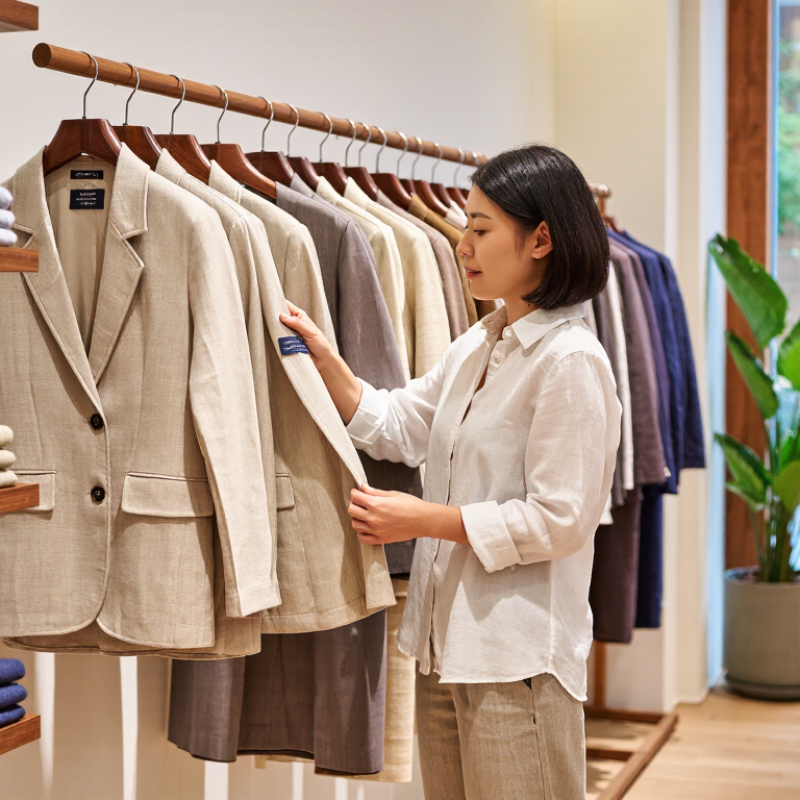
How to Choose Sustainable and Eco Friendly Fashion?

What Sustainable and Eco-Friendly Fashion Means

Sustainable and eco-friendly fashion means considering a garment’s entire life, not just its fabric. It includes raw materials, energy use, water consumption, working conditions, transport, care, and disposal. A shirt made from recycled fibers may reduce waste, but it still requires energy and careful processing. “Eco-friendly” is not a perfect label. It is a direction, not a guarantee.

In my experience, the most sustainable choice is often the garment I already own. Wearing a well-made jacket for five more years can prevent repeated purchases. I check stitching, fabric weight, repair options, and washing instructions before buying. Natural fibers can feel responsible, yet farming impacts differ widely. Recycled synthetics can save existing plastic from disposal, but they may release tiny fibers during washing. Every material has trade-offs.

Meaningful sustainability also includes people. Fair pay, safe workplaces, and honest supply information matter alongside environmental performance. A reliable clothing maker should explain where materials come from and avoid vague environmental promises. I still find these details difficult to verify, especially when supply chains cross several countries. That uncertainty deserves attention, not blind trust. Buying fewer pieces, choosing versatile designs, washing gently, and repairing small tears are practical habits. They are not flawless solutions. But they make fashion slower, more deliberate, and easier to question.

How to Evaluate Materials and Manufacturing Practices

How to Choose Sustainable and Eco Friendly Fashion?
How to Evaluate Materials and Manufacturing Practices

Sustainable fashion begins with evidence, not soft colors or vague natural claims. Read the fiber label carefully. Organic, recycled, regenerated, and blended fibers carry different environmental trade-offs. A recycled fiber may reduce virgin resource use, yet its origin still needs verification. Look for clear percentages, recognized certification, and traceable supply information. If a label hides behind “eco” language, treat it cautiously. Material durability matters too. A shirt worn for years can outperform a supposedly greener shirt that quickly loses shape.

Manufacturing evidence should explain what happens beyond the design studio. Ask how much water the process uses and how wastewater is treated. Dyeing and finishing can create significant impacts when controls are weak. Reliable suppliers should document energy sources, chemical management, worker protections, and factory audits. Independent verification is useful, but it is not a complete answer. Audits may miss seasonal workers or problems between inspection dates. That limitation deserves attention.

When comparing products, record the fiber mix, production location, care requirements, and repair options. Care instructions reveal practical sustainability. Cold washing and air drying usually demand less household energy than frequent hot cycles. Still, I would not pretend every choice is simple. A durable synthetic garment may shed microfibers, while a fragile natural garment may need replacement sooner. The best assessment balances material origin, factory transparency, expected lifespan, and actual use. Keep the questions visible. Manufacturers that answer specific questions build more trust than those offering polished promises.

How to Assess Brand Ethics and Supply Chain Transparency

How to Choose Sustainable and Eco Friendly Fashion?

How to Assess Brand Ethics and Supply Chain Transparency

When I assess a fashion company, I look beyond attractive sustainability claims. A polished webpage is not proof. Reliable information should identify factories, processing sites, material origins, and review dates. A detailed supplier list shows accountability across the supply chain, not just at the final sewing stage.

Look for evidence.

Check whether the company explains worker wages, working hours, safety procedures, and complaint channels. Independent social audits can help, but they are only snapshots. Stronger evidence includes worker interviews, corrective action reports, and clear deadlines for unresolved problems. Factory names and addresses also make public verification possible.

Material claims need equal care. A label saying “recycled” should explain the percentage, source, and certification process. Vague phrases such as “responsibly made” deserve questions. Ask whether subcontractors are included in the reporting. Ask harder questions. Transparent companies usually admit limitations, including missing supplier data or delayed improvements. That honesty can be more credible than perfect statistics.

I also compare published policies with practical details. Are repair services available? Are return practices likely to create unnecessary waste? Does the company report progress annually, using consistent measurements? My own assessment is rarely complete, because supply chains change quickly and documents can become outdated. Still, dated records, accessible evidence, and specific responses provide a more dependable basis for purchasing decisions.

How to Choose Sustainable and Eco Friendly Fashion? - How to Assess Brand Ethics and Supply Chain Transparency

Assessment Dimension What Reliable Information Should Show Strong Evidence Warning Signs Suggested Weight
Supply Chain Mapping The level of supplier disclosure, including raw-material processors, mills, factories, and assembly locations. A regularly updated public supplier list with facility locations, production stages, and approximate worker numbers. Only vague statements such as “responsibly made” without facility-level information. 15%
Worker Rights and Wages Policies and results relating to freedom of association, working hours, forced labor, child labor, discrimination, and wage practices. Independent audits combined with worker interviews, grievance channels, remediation records, and progress toward living wages. Reliance on an “audited factory” claim without audit scope, findings, corrective actions, or worker input. 20%
Material Composition The exact fiber content, recycled or organic share, source of animal fibers, and use of blended materials. Product-level composition data supported by recognized certification or chain-of-custody documentation. Broad terms such as “eco fabric” with no fiber percentages or verification. 15%
Chemical Management Controls for hazardous chemicals used in dyeing, finishing, printing, tanning, and wastewater treatment. A restricted-substances list, supplier chemical requirements, wastewater testing, and public progress reports. Claims that a product is “non-toxic” without test methods, scope, or supporting documentation. 10%
Climate and Energy Data Measured greenhouse-gas emissions, organizational boundaries, reporting years, reduction targets, and use of renewable energy. A disclosed emissions inventory covering relevant Scope 1, Scope 2, and material Scope 3 categories, with time-bound reduction targets. Carbon-neutral claims based mainly on offsets or without a baseline and reduction plan. 10%
Water and Wastewater Water-use measurement, local water-risk assessment, effluent treatment, and discharge monitoring at wet-processing facilities. Site-level water data, legal discharge compliance, treatment performance, and improvement plans for high-risk regions. A single “water-saving” percentage without a baseline, product scope, or measurement method. 8%
Certifications and Claims Whether environmental and social claims are independently certified and whether certification applies to the entire product or only part of it. A current certificate, certification number, defined standard, certified percentage, and traceable scope. Unrecognized logos, self-created labels, or certification references that cannot be verified. 8%
Durability and Product Design Expected product lifespan, fabric performance, repairability, spare parts, care guidance, and resistance to premature wear. Clear care instructions, repair services, robust construction information, and testing relevant to intended use. Emphasis on trend-driven replacement or sustainability claims without durability information. 7%
Circularity and End of Use Take-back, resale, repair, reuse, recycling, and disposal options, including limitations for blended or coated textiles. A clearly defined program with collection conditions, destination information, and reported outcomes. “Recyclable” claims without explaining available infrastructure or actual recovery pathways. 4%
Governance and Transparency Accountability at management level, reporting methodology, complaint handling, policy coverage, and disclosure of setbacks. Time-series data, defined boundaries, external assurance where relevant, responsible personnel, and documented corrective actions. Cherry-picked achievements, missing baselines, changing definitions, or no explanation of missed targets. 3%
Total Assessment Weight 100%
Practical scoring method: Score each dimension from 0 to 5 based on the quality, scope, recency, and independent verification of the available evidence. Multiply each score by its suggested weight, then compare products or suppliers using the same criteria.

How to Choose Durable Clothing and Reduce Consumption

How to Choose Sustainable and Eco Friendly Fashion?

Durable clothing begins with honest inspection, not a fashionable label. I check seams, buttons, zippers, and fabric density before buying. A tightly woven shirt usually handles repeated washing better. Natural fibers can last well, but construction matters more than fiber claims. I also ask whether I would wear the item at least thirty times. That question prevents many unnecessary purchases. The Ellen MacArthur Foundation reported that clothing utilization fell by 36% over fifteen years. My own wardrobe still proves the problem. I sometimes buy attractive pieces that rarely leave the closet.

Care changes durability. I wash clothes less often, use cooler water, and air-dry them indoors or outside. I repair loose hems quickly, before a small tear becomes a large one. The WRAP report Valuing Our Clothes found that extending a garment’s life by nine months can reduce its carbon, water, and waste footprints by about 20–30%. These figures make repair feel practical, not merely idealistic. UNEP estimates textiles create 2–8% of global greenhouse-gas emissions. Buying fewer, stronger pieces directly reduces demand, although my choices cannot fix the system alone.

Tips: Touch the fabric. Pull the seam gently. Check spare buttons and washing instructions. Choose simple designs that work with existing clothes. Keep a repair needle nearby. Avoid buying for an imagined lifestyle. I still make mistakes, but tracking unused clothes helps me notice them.

How to Care for, Reuse, and Recycle Fashion Responsibly

Sustainable fashion begins at home, with slower and more careful use. Before washing, check the care label and inspect seams, buttons, and stains. A full load often saves water, but overfilling can stretch garments and clean them poorly. Use cool water when suitable, mild detergent, and a short cycle. Air-dry clothing on a rack, away from harsh sunlight. It takes longer. Towels need enough space to dry fully, or they may smell damp. I have learned that “wash less” does not mean “wash never.” Sweat, body oils, and hygiene needs still matter.

Small repairs matter. A loose hem, missing button, or tiny hole can become serious damage within weeks. Keep a needle, matching thread, and spare buttons in a drawer. For delicate fabric, ask a qualified tailor rather than pulling the weave yourself. Reuse clothing thoughtfully: wear a shirt under a sweater, turn worn cotton into cleaning cloths, or swap items with friends who genuinely need them. Not every donation helps. Collection systems differ, and damp or contaminated textiles may be rejected. Check local guidance before using a textile bin.

When a garment reaches its end, separate materials if the collection service requests it. Remove batteries, packaging, and personal items from pockets. Some fibers can be mechanically recycled, while blended fabrics remain difficult to process. My own choices are imperfect. Buying “recyclable” clothing cannot excuse frequent overconsumption. Track repairs and wears for a month. The record can reveal habits that memory hides. A jacket used for years usually creates less pressure than several rarely worn replacements.

How to Choose Sustainable and Eco-Friendly Fashion

Extending the active life of clothing by nine months can reduce its carbon, water, and waste footprints by approximately 20–30%. Caring for garments, reusing them, and donating or repairing them before recycling can help achieve these reductions.

The 20–30% range is based on research reported by WRAP. Results vary by garment, fabric, washing habits, repair practices, and how long the item remains in use. Recycling is most responsible when repair, reuse, or resale are no longer practical.

FAQS

How can I judge whether a clothing material is genuinely sustainable?

Read the fiber label carefully. Look for exact percentages, certification details, and traceable supply information. Vague “eco” wording deserves caution.

Does recycled fabric always create less environmental impact?

Not always. Recycled fibers may reduce virgin resource use, but their origins still need verification. Durability matters too.

What manufacturing details should I ask about?

Ask about water use, wastewater treatment, energy sources, chemical controls, and worker protections. Specific answers are more useful than polished promises.

Are factory audits enough to prove responsible production?

No. Audits can miss seasonal workers or problems between inspection dates. Independent checks help, but they are not complete evidence.

How can I identify durable clothing before buying it?

Inspect seams, buttons, zippers, and fabric density. Pull a seam gently. A tightly woven fabric often handles repeated washing better.

What question can prevent unnecessary clothing purchases?

Ask whether you will wear the item at least thirty times. If the answer feels uncertain, leave it in the store. I still sometimes buy attractive pieces I rarely wear.

How can clothing care extend a garment’s life?

Wash less often, use cooler water, and air-dry when possible. Repair loose hems quickly. A small tear can spread across a sleeve.

Should I choose natural fibers over synthetic fibers?

Not automatically. Synthetic clothing may shed microfibers, while fragile natural clothing may need earlier replacement. Construction and actual use both matter.

What practical details should I record when comparing clothes?

Note the fiber mix, production location, care instructions, and repair options. Check for spare buttons. Keep a repair needle nearby.

How does longer use reduce clothing impact?

Extending a garment’s life by nine months can reduce its carbon, water, and waste footprints by about 20–30%. That sounds useful, though my wardrobe remains imperfect.

Conclusion

Sustainable and eco-friendly fashion means choosing clothing that creates less harm throughout its life cycle, from raw materials and manufacturing to use and disposal. Learning how to pick sustainable and eco friendly fashion involves examining whether fabrics are responsibly sourced, durable, and produced with efficient use of water, energy, and chemicals. It also means considering how workers are treated, whether fair working conditions are supported, and whether the company provides clear information about its suppliers and production processes.

A thoughtful shopper should prioritize well-made garments that can be worn for many seasons instead of following short-lived trends. Buying fewer, more versatile pieces reduces unnecessary consumption and waste. Proper care, such as washing clothes gently, repairing minor damage, and storing them correctly, can extend their useful life. When items are no longer needed, they can be reused, donated, exchanged, or recycled through suitable programs. These practical choices help create a more responsible relationship with fashion while encouraging greater transparency and environmental awareness.

Sophia

Sophia

Sophia is a dedicated marketing professional with an exceptional depth of knowledge about her company's products and services. With a keen understanding of market trends and customer needs, she crafts insightful blog posts that not only inform but also engage readers, enriching the company’s online......