Layering outfits in winter is both an art and a science. Renowned fashion expert, Jane Doe, emphasizes the significance of this technique: "The best way to layer is about balancing warmth and style." Many of us struggle with the practicalities of winter dressing. Often, we prioritize comfort over appearance and end up feeling bulky.
Understanding what is the best way to layer outfits in winter can transform your wardrobe choices. Start by choosing breathable base layers. Fabrics like merino wool can keep you warm without adding bulk. Then, consider insulation layers, such as fleece. Finally, finish with an outer layer that protects against wind and rain.
Details matter. Pay attention to color coordination, which can tie outfits together. A well-placed scarf or a stylish hat can elevate your look. However, layering can sometimes go awry. There’s always the risk of looking frumpy if not done right. Don’t be afraid to experiment yet keep checking your reflection. Developing an eye for what flatters can take time and practice. Embrace the learning process as you discover your winter style.
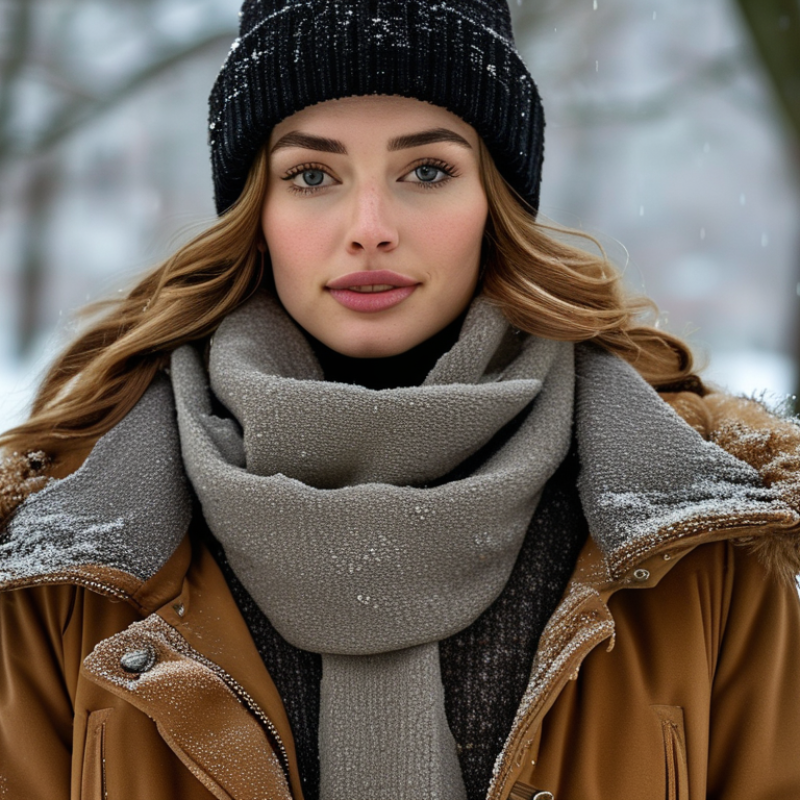
Layering is crucial in winter fashion. It allows you to adapt to changing temperatures throughout the day. According to a report by the Fashion Institute of Technology, well-layered outfits can improve thermal comfort by up to 30%. This versatility is essential as winter weather can be unpredictable, shifting from chilly mornings to milder afternoons.
A common misconception is that bulkier layers always equal warmth. In reality, proper layering involves a balance of insulation and breathability. Lightweight fabrics often provide better temperature regulation than thick, heavy ones. For instance, using merino wool under a puffer jacket can trap warmth while allowing moisture to escape. However, many still struggle with the right combinations, leading to either overheating or feeling cold.
Layering requires experimentation and personalization. Not every mix will work for everyone. Data from the National Retail Federation indicates that 45% of consumers find layering challenging. Some may have too much bulk, while others may not have adequate insulation. The key is to find combinations that suit individual style and temperature needs. Adjusting layers throughout the day is not just a style choice, it’s necessary for comfort.
When it comes to winter layering, choosing the right base layer is crucial for warmth and comfort. A report by the Outdoor Industry Association indicates that 75% of consumers look for thermal insulation in their base layers. The right materials, like merino wool or synthetic blends, can ensure moisture-wicking properties, keeping you dry on colder days.
A snug-fitting base layer acts as the first line of defense against the chill. Studies show that effective moisture management can reduce the risk of hypothermia. Remember, fit matters: too tight can restrict movement, while too loose can let cold air in. Prioritize comfort to maintain your body heat.
Tip: Always choose a base layer that allows for easy movement. Look for flat seams to avoid chafing. Consider layering with a lightweight long-sleeve top for added warmth without bulk. Another useful tip involves checking the care labels. Some fabrics require special treatment, which is vital for longevity. Balancing style with function can make winter layering enjoyable.
When it comes to winter layering, the mid-layer is crucial for both insulation and style. The best mid-layers trap heat effectively. Opt for materials like fleece or wool. These fabrics are breathable yet warm. They help regulate body temperature, preventing overheating. Well-chosen mid-layers add texture and visual interest to your outfit.
Fit matters in creating a streamlined silhouette. Choose a snug fit that allows for range of motion. Avoid bulky layers that restrict movement. Color and pattern can elevate your look. A pop of color or a unique pattern can bring life to dreary winter days. Still, aim for cohesion. Clashing patterns can be visually overwhelming.
Don’t shy away from experimenting with styles. Try a zip-up fleece under a heavier coat. Alternatively, a stylish turtleneck can serve as a chic layer. Test different combinations to discover what feels best. Remember, not every outfit will work perfectly. It's okay to rethink choices and adjust as needed. Winter layering should feel both functional and fashionable.
When selecting an outer layer for winter, consider both weather resistance and style. Research shows that nearly 70% of people experience discomfort from cold weather. An effective outer layer should keep warmth in and protect against wind and rain. Materials like Gore-Tex and down insulation are often recommended for maximum effectiveness.
One simple tip is to check the breathability of your outer layer. A good outer shell should manage moisture while keeping you warm. Also, look for layers that have adjustable features. Hoods, cuffs, and hems that can be tightened are crucial for blocking out chilly air.
Don’t forget about color and style. Darker hues may absorb more heat, but brighter colors can pop against a winter background. Mixing textures can also elevate your look. Remember, an outer layer should balance protection and fashion, allowing for versatility in various environments. It's essential to find a layer that fits well and feels comfortable, as discomfort can undermine your entire outfit.
Accessorizing your layered winter look is essential for both warmth and style. Hats, scarves, and gloves not only serve a functional purpose but can also highlight your personal style. Choosing the right accessories can elevate your overall outfit and make a statement.
When selecting a hat, consider materials like wool or cashmere for warmth. A beanie or a stylish fedora can complement your layers while keeping your head cozy. A bold color or pattern can draw attention.
Scarves are incredibly versatile. Opt for thicker knits or luxurious cashmere variants. You can wrap them around your neck multiple times or let them drape loosely. Experimenting with different tying techniques can give a unique spin to your look.
Don't forget gloves. They should be practical yet fashionable. Leather or knit options work well. Pay attention to layering glove styles over long sleeves. This adds depth but can be tricky.
Try matching your gloves with your hat or scarf for a cohesive look, but don't hesitate to mix textures. Playing with colors is also a fantastic approach, though it can be challenging. Sometimes, less is more. Aim for balance. Overall, layering can be a fun and creative part of your winter wardrobe.
: Layering helps adapt to changing temperatures, improving thermal comfort by up to 30%.
No, thicker layers don’t always mean warmth. Proper layering combines insulation and breathability.
Fleece and wool are great choices. They are warm yet breathable, helping regulate body temperature.
A snug fit is best. It allows movement without feeling bulky or restrictive.
Yes, adding color or unique patterns can enhance your outfit, but ensure they work together.
Yes, many find it challenging. Individual needs vary, and experimentation is often necessary.
Layers should be adjusted throughout the day for comfort. This ensures optimal warmth and breathability.
It’s perfectly acceptable to rethink your choices. Not every combination will feel right initially.
Choose mid-layers with texture or patterns that complement your overall look while avoiding clashing.
Layer lightweight fabrics and focus on breathability to maintain comfort without getting too warm.
Layering outfits in winter is essential for both warmth and style. When considering what is the best way to layer outfits in winter, start with a solid understanding of each layer's purpose. The base layer should provide warmth and comfort, typically made from moisture-wicking materials to keep you dry. The mid-layer acts as insulation; choose materials that retain heat while allowing for movement and style.
For the outer layer, prioritize weather resistance to protect against the elements while still looking fashionable. Finally, don't forget to accessorize your layered look with hats, scarves, and gloves, which not only add warmth but also enhance your overall outfit. By thoughtfully combining these elements, you can create functional and stylish winter looks that keep you cozy all season long.

Faber Fashion