What clothing mistakes make outfits look outdated is not always a question of following the latest trend. Often, the answer is in the details: a blazer with shoulders that slump, jeans pooling over scuffed shoes, or a once-black T-shirt faded to gray. These small signs can make an outfit feel neglected, even when each piece was expensive. Small details matter.
Stylist and fashion expert Stacy London has said, “Fashion is about dressing according to what’s fashionable. Style is more about being yourself.” That distinction offers a useful starting point. An outfit can look dated when every piece belongs to a past trend, but it can also feel current when older clothes fit well and suit the wearer. Trends are not rules.
This guide looks at common wardrobe habits that can age an outfit: poor fit, worn-out fabrics, mismatched proportions, and accessories that compete for attention. A long, bulky cardigan over loose trousers, for example, may hide the shape of both pieces. But there is no single formula for looking modern. Personal taste, comfort, and context matter, too. A classic item is not automatically stylish, and a trendy one is not automatically a mistake. The goal is to spot what no longer works for you—and make thoughtful changes without replacing your entire closet.
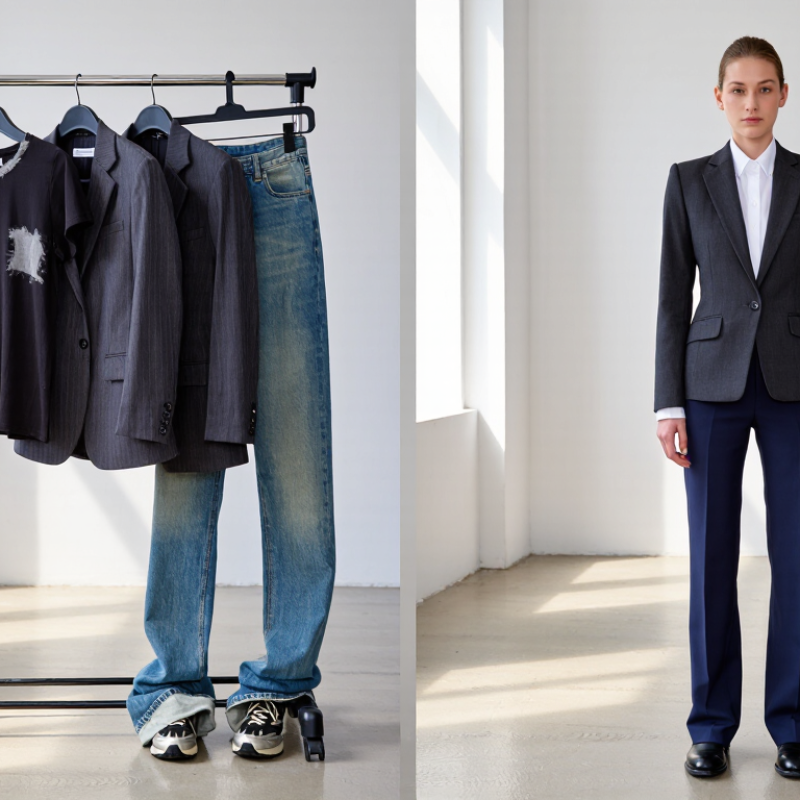
Define “Outdated”: Separate Garment Age from Dated Styling
A garment can be old without making an outfit look outdated. A wool coat with sound seams, clean lining, and a shape that still suits you may look more current than a new coat worn awkwardly. Age often shows through fading, pilling, stretched cuffs, or repairs—not through the year it was made. That distinction matters.
Dated styling usually comes from how pieces are combined. A once-popular narrow scarf, low-rise trousers, and sharply pointed shoes can feel tied to one moment when worn together. Separate them, and each may work with simpler, more relaxed pieces. Check proportions in a full-length mirror: if every item is tight, oversized, or heavily decorated, the outfit can feel trapped in its era. Small changes help. Try a different tuck, roll a sleeve, or swap one structured piece for a softer one.
Care affects the impression, too. Pressing a collar, removing lint, and replacing a loose button can make older clothes feel intentional. Still, “current” is not the same as “better.” It is easy to mistake a familiar trend for a timeless rule; personal comfort deserves a place in the decision. A dated detail may even feel fresh when the rest of the outfit is quiet.
Check Fit and Proportion: Spot Silhouettes That Disrupt Visual Balance
Clothes can look dated when their proportions fight the body rather than follow it. Check shoulder seams: they should sit near the shoulder edge, not droop halfway down the arm. A jacket that pulls across the back may look strained, while excess fabric can blur the waist. Small details matter. Trouser hems should meet shoes cleanly; a heavy break can bunch above the ankle. Sleeves that hide the wrist can make even a simple outfit feel oversized. Fit is not the same as tightness. You should be able to sit, reach, and breathe comfortably.
Proportion matters, too. Pairing a long, loose top with wide trousers can hide the body’s shape; a shorter top or a defined waistband may restore balance. The NRF and Appriss Retail’s 2023 Retail Returns report estimated that 14.5% of U.S. retail sales would be returned, with online returns at 17.6%. Those figures cover all merchandise, not clothing fit alone, but they show why checking size before purchase is practical. Try garments while moving, not just standing still. Look at the side view. Even then, there is no perfect formula: personal taste and comfort can outweigh a “balanced” silhouette. I sometimes overthink the mirror. A useful check is whether the outfit feels intentional, not whether every proportion follows a rule.
What Clothing Mistakes Make Outfits Look Outdated?
Check fit and proportion: spot silhouettes that disrupt visual balance.
The chart uses illustrative styling impact scores, not survey results. A higher score indicates that the issue may have a stronger effect on visual balance. Check shoulder seams, sleeve and trouser lengths, and how garment volume is distributed through the outfit.
Review Trend Dependence: ThredUp Reports 14% U.S. Resale Growth in 2023
Outdated outfits rarely come from one old garment. They often look dated when every piece follows the same short-lived trend: oversized sleeves, a loud seasonal print, and matching accessories. The result can feel like a display window rather than an outfit. A classic coat or worn-in denim can still work; the fit, condition, and styling matter more than its age.
Trend dependence is worth reconsidering as resale grows. The 2024 Resale Report estimated that the U.S. secondhand apparel market grew 14% in 2023. That figure suggests shoppers are increasingly open to clothing with a previous life, not just the newest look. It does not mean every thrifted piece is automatically timeless. A stretched neckline, tired fabric, or awkward fit can still make an outfit feel neglected. I sometimes hold on to trend pieces too long; noticing that is useful, even if changing habits takes time.
Tips: Before buying, picture the item with three things already in your wardrobe. Check seams, hems, and fit in natural light. Keep one trend-led piece, then balance it with simple shapes and colors. If the outfit feels costume-like, remove one detail and try again.
What Clothing Mistakes Make Outfits Look Outdated? — Review Trend Dependence: U.S. Resale Growth in 2023
| Category |
Observation |
Practical wardrobe check |
Data type |
| U.S. resale trend |
The supplied headline reports 14% growth in the U.S. resale market in 2023. |
Consider resale or secondhand options when replacing an item; inspect condition, fit, and fabric before buying. |
Numeric figure from the supplied headline |
| Poor fit |
Clothes that pull, sag, or bunch can make an outfit look less considered. |
Check shoulder seams, sleeve length, waist placement, and trouser break; tailor where practical. |
Qualitative style guidance |
| Overly coordinated sets |
Matching every color and accessory can make an outfit feel overly prescribed. |
Keep one coordinated element and vary another through texture, color, or a simpler accessory. |
Qualitative style guidance |
| Worn-out condition |
Pilling, fading, loose buttons, and scuffed footwear can distract from an otherwise current outfit. |
Remove pills, repair small defects, clean shoes, and retire pieces that cannot be restored. |
Qualitative wardrobe-care guidance |
| Trend overload |
Wearing many statement trends together can make an outfit feel tied to a single moment. |
Choose one trend-led piece and combine it with versatile items already in your wardrobe. |
Qualitative style guidance |
| Unbalanced proportions |
Several oversized or very fitted pieces worn together may make the overall shape feel unintentional. |
Balance volume—for example, pair a relaxed top with a more defined bottom, or vice versa. |
Qualitative style guidance |
Note: The 14% figure is taken from the supplied headline. The outfit observations are qualitative guidance, not measured survey results.
Inspect Wear: WRAP Says 9 Extra Months of Use Cuts Impacts by 20–30%
Outfits can look outdated when wear is ignored, even if their shapes still feel current. Check cuffs, collars, knees, and hems in daylight. Pilling, stretched seams, shiny elbows, and missing buttons can make clothes appear tired. A loose thread is easy to miss. So is a hem that drags on the pavement. These flaws do not always mean an item should be replaced; a careful wash, repair, or small alteration may restore its neatness.
WRAP’s 2012 report, Valuing Our Clothes, estimates that extending a garment’s active use by nine months can reduce its carbon, water, and waste footprints by 20–30%. That makes an honest wear check more than a styling habit. Before buying a replacement, inspect the fabric for thinning and check whether seams can be repaired. A sweater with small pills may need gentle de-pilling; a coat with a loose button may need only a few stitches. Not every repair is worth the time, though. I have kept worn pieces too long, hoping they would somehow look better.
The Ellen MacArthur Foundation’s 2017 report, A New Textiles Economy, notes that less than 1% of material used to make clothing is recycled into new clothing. Keeping usable garments in rotation matters. But clean, well-maintained clothes tend to look more intentional than items worn past their best. Check the shoulders, fastening, and shape before leaving home. A mirror near a window helps.
Reassess Outfit Combinations and Accessories Against Current Styling Conventions
What Clothing Mistakes Make Outfits Look Outdated?
Outfits can feel dated when every piece follows an old styling formula: matching bag and shoes, a long tunic over loose trousers, or accessories competing for attention. Current styling often looks more intentional when proportions vary. Try a shorter jacket over wide-leg pants, or let one sculptural earring pair with a simple shirt. Fit matters, too: sleeves that bunch at the wrists and hems dragging near the pavement can make good clothes look neglected. Trends differ by age, climate, and occasion, so not every “rule” deserves a place in your wardrobe.
A 2024 resale report by GlobalData for ThredUp estimated that U.S. secondhand apparel grew 14% in 2023, compared with 1% growth for the broader retail clothing market. The figures suggest many shoppers are finding value in clothes already in circulation, not replacing everything each season. Reassess combinations before shopping: keep a favorite blazer, but test it with a cleaner shoe or a less formal bag. I sometimes over-accessorize when an outfit feels plain. Removing one item can help, though it does not always solve the problem.
Tips: Photograph a full outfit in daylight. Check the silhouette, shoe condition, and bag size. Change one detail at a time. Then decide.
Conclusion
What clothing mistakes make outfits look outdated is not simply a matter of wearing older garments. A piece can remain stylish for years when it is well cared for and paired thoughtfully, while an outfit can feel dated because of an unbalanced fit, awkward proportions, or styling that relies too heavily on a trend from the past. Check whether clothing works with your shape and whether the overall silhouette feels harmonious. Also inspect fabric and construction: worn, faded, or misshapen items can make a look seem neglected, even when the design itself is timeless.
Consider how individual pieces work together, including shoes, bags, and other accessories. Small changes in styling can make familiar clothes feel current without replacing them. Clothing resale grew by 14% in the United States in 2023, reflecting interest in extending the life of garments. Keeping items in use for nine additional months can also reduce their environmental impacts by 20–30%. Repairing, rewearing, and restyling thoughtfully can support both a fresh appearance and a more considered wardrobe.

 Faber Fashion