2026 Best Ways to Fix Stretched or Loose Clothing?

Time:2026-09-23 Author:Amelia
0%

Stretched clothing can make a favorite sweater look tired, uneven, or one size too large. Waistbands loosen, collars lose shape, and sleeves hang past the wrist. The good news is that many garments can recover with careful handling. Learning how to fix stretched or loose clothing starts with identifying the fiber, the damaged area, and the reason it changed shape.

Cotton, wool, cashmere, rayon, and synthetic blends react differently to water, heat, and pressure. A wool sweater may respond to gentle reshaping, while polyester often needs controlled heat and patience. Check the care label before trying anything. It provides useful guidance, but it is not perfect. Older labels may be vague, and some fabrics behave unpredictably after repeated washing.

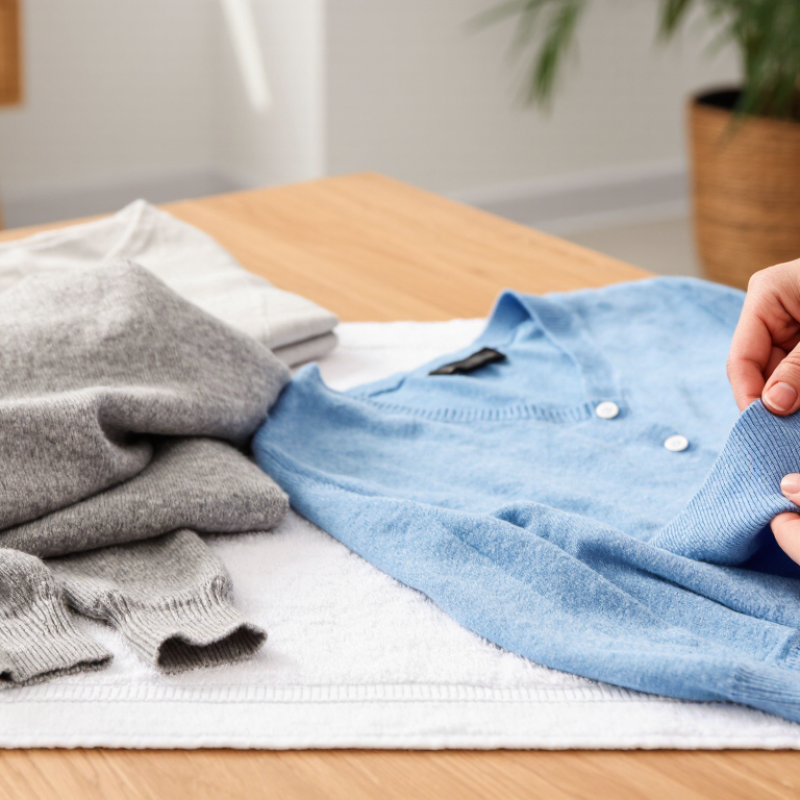
Small changes matter. Lay a loose knit flat on a clean towel, then press out excess water without twisting. Measure a well-fitting garment nearby, and use it as a reference while reshaping. For stretched cuffs, dampen only the affected area and guide the fabric inward with your fingers. A low-temperature steamer can help, but direct ironing may flatten delicate fibers or create shine.

Some repairs will not fully restore the original fit. That is normal. Shrinking fabric too aggressively can cause worse damage, including puckering and uneven seams. This guide explains practical methods, common mistakes, and when professional alteration is the safer choice. With realistic expectations, careful testing, and a little patience, loose clothing can often become wearable again.
2026 Best Ways to Fix Stretched or Loose Clothing?

Identify the Cause and Material of the Stretched Clothing

2026 Best Ways to Fix Stretched or Loose Clothing?

Identify the Cause and Material of the Stretched Clothing

A stretched garment needs diagnosis before treatment. Check the loose area, fabric texture, and care label. Shoulder bumps often come from hangers. A widened waistband may reflect tension, heat, or repeated wet wear. Cotton knits can relax after washing, while polyester may hold a distorted shape. Elastane can lose recovery after high heat, sweat, or age. The damage is not always reversible.

Read the fiber content carefully. Wool and other animal fibers may recover through gentle reblocking, using cool water and a flat drying surface. Do not rub them. Cotton and viscose knits usually need reshaping while damp, then drying flat. Synthetic fibers require caution because excess heat can permanently alter their structure. Test a hidden seam first. I have seen “quick fixes” create shiny patches or smaller sleeves.

The Textile Exchange Materials Market Report 2024 recorded 124 million tonnes of global fiber production in 2023.

That scale makes careful repair more meaningful, even for one sweater. WRAP’s Valuing Our Clothes research found that extending clothing use by nine months can reduce carbon, water, and waste footprints by about 20–30%. Still, these figures describe average impacts, not every garment. If recovery fails, a tailor can restore seams or replace elastic more safely than repeated home experiments.

Prepare the Garment for Safe Shape Restoration

Stretched clothing needs preparation before any shape restoration attempt. Check the care label and identify the fiber content. Wool, cotton, rayon, and synthetic blends respond differently to moisture and pressure. If the garment is stained, clean it gently first. Dirt can become harder to remove after reshaping. Never start with high heat. Heat may set an unwanted shape permanently.

Place the garment on a clean, dry towel. Use cool or lukewarm water, depending on the care instructions. Press out excess water without twisting the fabric. Lay the garment flat and match its seams, cuffs, neckline, and hem. Measure its original length if you can. This small step improves control, though my measurements are not always perfect. Move the fabric gradually toward its intended shape. Let it dry naturally, away from direct sunlight.

Tips: Test a hidden area first. Use a second towel for delicate knits. Avoid hanging wet garments, especially heavy sweaters. Do not pull one section aggressively. Gentle, repeated adjustments usually work better than force. If the fabric feels stiff, shiny, or distorted, stop and reassess. Some stretching cannot be fully reversed, and accepting that early may prevent further damage. Allow complete drying before trying another adjustment.

Use Heat, Moisture, or Washing to Reduce Loose Fibers

2026 Best Ways to Fix Stretched or Loose Clothing?

Check the label. Fiber type matters before using heat or moisture. Cotton and some wool garments may contract with warm water, while synthetic fibers often resist shrinking. Elastic can weaken under high temperatures. I once dried a loose waistband on high heat and made it uneven, so test carefully.

Lightly mist the loose area with clean water. Then reshape it by hand on a flat towel. For cotton, use a warm iron over a damp cloth, applying gentle pressure for a few seconds. Do not press directly on delicate fibers. Steam can help relax and reform fabric, but keep the steamer moving. Too much heat creates shiny marks or permanent damage.

Wash the garment inside out using a short, gentle cycle. Warm water may reduce looseness in cotton, but cold water is safer for uncertain fabrics. Avoid aggressive spinning, which can stretch wet fibers. After washing, press out water without twisting, then lay the garment flat and adjust its edges. A low-temperature dryer may provide slight shrinkage, but inspect the shape every few minutes. Stop early. The result may be uneven, especially around cuffs or seams. If the fabric contains wool, use minimal moisture and avoid heat, because agitation can cause felting rather than controlled shrinkage.

Reshape and Dry the Clothing Without Causing New Damage

2026 Best Ways to Fix Stretched or Loose Clothing?

Reshape and Dry the Clothing Without Causing New Damage

Stretched clothing often needs moisture, patience, and controlled drying. Start by checking the care label and fabric composition. Wool, cotton knits, and rayon respond differently. Fill a basin with cool or lukewarm water, then soak the garment for ten minutes. Avoid hot water. Heat can tighten some fibers unevenly and weaken elastic recovery.

Press water out gently. Do not twist or wring the fabric. Roll it inside a clean towel and apply light pressure. Lay the garment flat on a dry towel, then guide the shoulders, cuffs, waist, or neckline back into shape. Use the original seams as a visual guide. Measure both sleeves if they look uneven. Leave the garment flat until completely dry. Hangers can create new shoulder points.

This method is not magic. Damaged elastic may not recover fully. I have also found that reshaping too aggressively creates ripples along side seams. A small adjustment is safer than forcing the original size. Never use direct high heat unless the label allows it. Textile Exchange’s Materials Market Report 2024 estimates global fiber production reached 124 million tonnes in 2023. Careful maintenance helps reduce replacement demand. WRAP reports that extending clothing use by nine months can reduce carbon, water, and waste footprints by about 20–30%. Dry slowly. Inspect the shape halfway through.

Apply Sewing, Elastic, or Tailoring Repairs for Lasting Fit

2026 Best Ways to Fix Stretched or Loose Clothing?

Loose clothing often needs more than a quick wash. Start by checking shoulder seams, waistlines, cuffs, and stretched knit areas under bright light. A few tight stitches can restore shape, but excessive pulling may create visible puckering. I still misjudge thread tension sometimes.

Replace tired elastic instead of tightening it repeatedly. Measure the body area, subtract a small amount for recovery, and insert the new elastic through the original channel. For stretched waistbands, a tailor can reshape the seam and preserve the garment’s balance. This usually lasts longer than adding random safety pins.

The WRAP Valuing Our Clothes report estimates that extending clothing life by nine months can reduce carbon, water, and waste footprints by about 20–30%. The Ellen MacArthur Foundation also reported that clothing utilisation has fallen significantly compared with earlier decades. These figures are broad estimates, not guarantees for every fabric. Still, repair deserves practical attention.

Use matching thread for visible seams. Use a narrow zigzag stitch on flexible fabric. Wash repaired clothing gently, then air-dry it flat when possible. Heat can weaken elastic and distort knitwear. A professional alteration is sensible when armholes twist, hems pull upward, or fabric has lost its original structure. Sometimes replacement is more realistic. That decision requires honesty.

FAQS

Can warm water shrink loose cotton clothing?

Warm water may slightly contract cotton fibers. Check the care label first. Results can be uneven. Test a hidden area.

How can I reshape a loose garment with moisture?

Lightly mist the loose section with clean water. Place it on a flat towel. Gently reshape the edges by hand. Let it dry flat.

Is ironing safe for stretched fabric?

For cotton, use a warm iron over a damp cloth. Press gently for a few seconds. Never press directly on delicate fibers. Test first.

Can steam restore stretched knitwear?

Moving steam can relax and reform some fabrics. Keep the steamer several inches away. Avoid soaking one spot. Too much heat may create shiny marks.

How should I wash clothing that has become loose?

Turn the garment inside out. Use a short, gentle cycle. Cold water is safer for uncertain fabrics. Avoid aggressive spinning because wet fibers stretch easily.

Can a dryer reduce looseness?

A low-temperature dryer may create slight shrinkage. Inspect the shape every few minutes. Stop early. Cuffs and seams may shrink unevenly.

How can sewing repair a stretched waistband?

Check the waistband under bright light. A few matching stitches can restore its shape. Avoid pulling the thread too tightly. Puckering may appear.

Should I replace worn elastic or tighten it again?

Replace tired elastic when possible. Measure the body area and allow slight recovery. Insert it through the original channel. Repeated tightening rarely lasts.

When should I seek professional alterations?

Consider tailoring when armholes twist, hems rise, or seams pull. A professional can preserve the garment’s balance. Sometimes replacement is more realistic. That choice can be difficult.

Conclusion

Learning how to fix stretched or loose clothing starts with identifying why the garment lost its shape and understanding its fiber content. Different materials react differently to moisture, heat, and washing, so check the care label and inspect areas such as collars, waistbands, cuffs, and knees. Before restoring the shape, clean the garment gently, remove unnecessary weight, and prepare a flat surface where it can be handled without pulling or twisting.

Safe reshaping may involve controlled washing, light moisture, or carefully applied warmth to help fibers contract. Afterward, lay the clothing flat, adjust it to its original proportions, and let it dry naturally while supported. Avoid excessive heat, hanging wet knits, or aggressive stretching, as these can create new damage. If the fit remains loose, lasting solutions include replacing elastic, adding discreet stitches, reinforcing seams, or asking a tailor to alter the garment. With the right method, how to fix stretched or loose clothing becomes a practical process that protects both appearance and wearability.

Amelia

Amelia

Amelia is a seasoned marketing professional with a wealth of expertise in our company’s core offerings. With an unwavering passion for driving growth and innovation, she plays a pivotal role in shaping our marketing strategies and enhancing brand visibility. A key aspect of her responsibilities......